
Views: 0 Author: Site Editor Publish Time: 2026-09-30 Origin: Site


Are you tired of synthetic plug-in air fresheners and the artificial, overpowering smells they emit? Finding a natural, long-lasting scent solution that seamlessly blends into daily life is notoriously difficult. Many consumers find themselves frustrated when expensive essential oils evaporate within hours. Worse still, active diffusers often leave damp, oily residues on expensive wood furniture.
A highly engineered porous ceramic substrate solves this exact engineering problem. Rather than relying on power cords or water tanks, this passive scenting technology leverages fluid dynamics. By strictly controlling microscopic porosity, manufacturers transform a simple mixture of clay and minerals into a highly efficient, sustainable home fragrance tool.
Material Mechanics: A passive diffusion system relies entirely on capillary action. It absorbs and slowly releases botanical extracts without requiring electricity, heat, or water.
The Science of Porosity: Higher void fractions equate to superior liquid absorption capacity. Optimal pore size strictly controls the evaporation rate, ensuring a sustained scent rather than a rapid, overwhelming burst.
Eco-Friendly & Safe: Operating as a completely passive method, these mineral-based materials are chemically inert. They are exceptionally safe for environments with pets and children, requiring zero daily maintenance.
Commercial Viability: From compact vehicle fresheners to large-scale custom fragrance art pieces, the manufacturing applications offer immense value for B2B brands and interior designers.
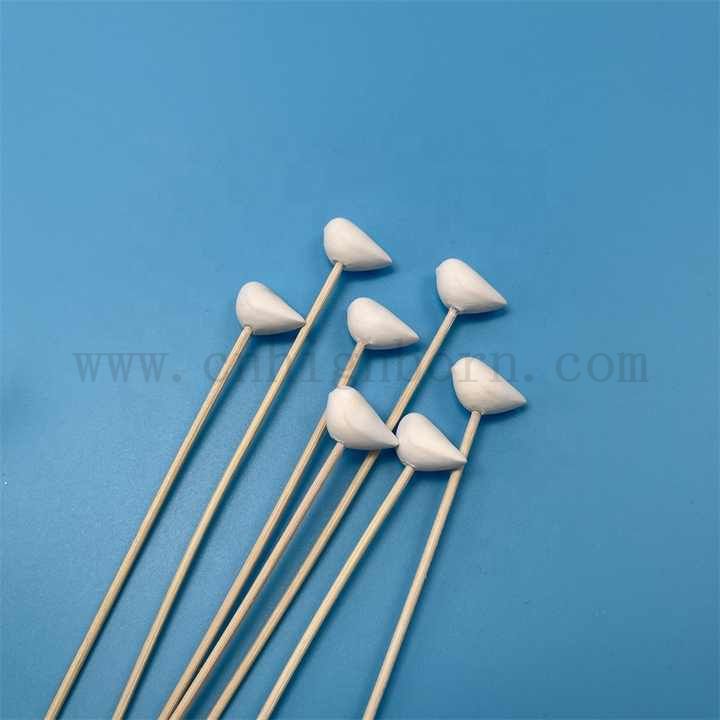
To truly grasp the value of ceramic diffusion, we must examine the mechanics of passive scenting. The intricate manufacturing processes behind these earthen materials make them incredibly effective at trapping and releasing volatile compounds.
Passive diffusion is the elegant process of dispersing fragrance into ambient air without active, energy-consuming mechanisms like heat plates, ultrasonic vibrations, or electric fans. Instead, this method relies entirely on natural room airflow and the organic evaporation of essential oils at standard room temperatures.
In the commercial market, these products are frequently referred to as plaster diffusers or scent stones. Unlike active devices that forcefully pump micro-particles of water and oil into the atmosphere—often resulting in a heavy, localized cloud of scent—a passive ceramic aroma diffuser absorbs the liquid deeply into its internal structure. It then allows the aromatic compounds to evaporate steadily over time. This creates a subtle, continuous background fragrance that greets you gently upon entering a room.
The remarkable effectiveness of these objects is not accidental. It is the direct result of precise material engineering. Porous ceramics are manufactured by meticulously mixing raw materials—such as high-purity alumina, diatomaceous earth, or specialized clay mixtures—with proprietary pore-forming agents.
During the intense sintering process in a kiln, temperatures are strictly maintained between 1,100°C and 1,300°C. At these extreme temperatures, the pore-forming agents burn off completely. This tightly controlled thermal reaction leaves behind a rigid, highly structured network of microscopic holes throughout the ceramic body.
Consequently, natural mineral substrates hold fragrance significantly better than synthetic alternatives like sintered plastics. Ceramics are chemically inert. They will not react with the acidic components of pure citrus oils, which are known to degrade and melt plastic over time. The mineral composition provides a stable, eco-friendly matrix that maintains its structural integrity even after years of repeated oil absorption and evaporation cycles.
For everyday consumers and product developers alike, understanding the physical science behind scent retention is absolutely critical. The performance of any diffusion stone is dictated by two primary engineering metrics: total porosity and the distribution of pore sizes.
In material science, porosity is defined as the percentage of void, or empty, space within a solid material compared to its total volume. In the context of passive scenting, these microscopic voids act as tiny internal reservoirs for your favorite liquids.
A higher porosity percentage means the object has more internal empty space. As a result, it can hold a surprisingly large volume of liquid. High-quality diffusion ceramics typically feature a porosity ranging from 30% to 50%. If a finely crafted piece has a porosity of 40%, nearly half of its physical volume can be utilized to store fragrance. This massive internal absorption capacity is precisely what allows a well-engineered stone to scent a space for weeks, rather than drying out in hours like standard cardboard or wood.
While total porosity determines exactly how much liquid the object can hold, the actual size of those pores determines how fast that liquid is released back into the surrounding air.
If the macro-pores within the structure are too large (above 50 microns), the surface area exposed to the air increases drastically. This inevitably leads to high volatility. The fragrance evaporates far too quickly, resulting in a strong initial scent that fades completely within a day or two. Conversely, if the micro-pores are too small (under 1 micron), the liquid cannot penetrate the surface due to its specific viscosity. The oil will simply pool on the exterior, creating a greasy residue and failing to utilize the internal capacity.
Sustained release technology relies on the "Goldilocks" zone of pore sizing—typically engineered between 5 to 20 microns depending on the target oil viscosity. Essential oils are complex mixtures of top, middle, and base notes. A precisely engineered pore network traps these varying molecular structures, regulating their release and ensuring a beautifully sustained fragrance profile.
The invisible mechanism that draws the liquid inward is known as capillary action. This is the exact same physical process that allows a dry sponge to aggressively soak up spilled water, or a towering oak tree to pull vital nutrients from its deep roots up to its highest leaves.
When a drop of liquid is applied to the surface, the surface tension of the fluid interacts dynamically with the solid walls of the microscopic pores. The adhesive forces between the liquid and the mineral walls are stronger than the cohesive forces keeping the liquid together. This powerful dynamic pulls the fluid deep into the core matrix. It ensures the liquid is safely stored inside, preventing surface spills and allowing for perfectly controlled evaporation.
Over the past few years, the global home fragrance market has experienced a decisive structural shift. Consumers are becoming increasingly educated about indoor air quality. As a result, they are actively moving away from aerosols heavily laden with Volatile Organic Compounds (VOCs) and synthetic phthalates.
Market analysis indicates a surging demand for eco-friendly, electricity-free alternatives. As wellness trends emphasize natural living, buyers are seeking out products that do not contribute to electronic waste or require constant energy consumption. Passive diffusion substrates perfectly align with this trend. By utilizing natural earth minerals that are completely biodegradable and chemically inert, the industry provides a sustainable solution. This satisfies both the aesthetic desires of interior designers and the environmental consciousness of modern consumers, prompting major lifestyle brands to replace plastic plug-ins with reusable mineral diffusers.
When selecting a fragrance solution for a home or commercial space, buyers must carefully weigh daily operational requirements, safety hazards, and environmental impact.
| Feature | Porous Ceramics | Ultrasonic Diffusers | Reed Diffusers | Sintered Plastics (PE/PTFE) |
|---|---|---|---|---|
| Energy Source | None (Passive Airflow) | Electricity required | None (Passive Airflow) | None (Passive Airflow) |
| Spill Risk | Zero (Liquid locked in pores) | High (Water/oil tank) | High (Open glass bottle) | Zero |
| Maintenance | Virtually none | Daily cleaning to prevent mold | Flipping reeds weekly | Virtually none |
| Eco-Friendliness | Excellent (Biodegradable minerals) | Poor (E-waste, plastic body) | Moderate (Glass is recyclable) | Poor (Creates microplastics) |
Ultrasonic devices use electricity to create rapid vibrations that break water and essential oils into a fine, visible mist. While popular, they add significant humidity to the air. This can be highly problematic in already damp environments, potentially encouraging dangerous mold growth on nearby walls. In contrast, a passive stone operates completely dry. It releases only volatile scent molecules without adding unwanted moisture. Furthermore, ultrasonic models require continuous water refills and regular scrubbing to prevent bacterial buildup.
Reed diffusers utilize porous rattan sticks inserted into a glass bottle filled with carrier oils. While they don't require electricity, they present a significant spill hazard. If a pet or a clumsy hand knocks the bottle over, the oily liquid can permanently damage wooden furniture or stain carpets. Once liquid is absorbed into a scented ceramic stone via capillary action, the fluid is securely locked inside the internal matrix. Even if dropped on the floor, there is absolutely no liquid left to spill.
Because raw clay can be cast, pressed, and fired into almost any conceivable geometry, these functional pieces serve a remarkably wide variety of consumer and commercial use cases.
For enclosed or highly localized areas, the porous ceramic disc remains the industry standard. These flat, unobtrusive shapes are engineered to maximize surface area while maintaining a very low profile. Fitted with a simple metal clip, they can be seamlessly attached to a car’s air conditioning vent. During a morning commute, mechanical airflow accelerates the evaporation of absorbed peppermint or citrus oils, providing immediate, crisp scent distribution. They are also perfect for tossing into a gym bag or tucking away in a stagnant wardrobe drawer.
When moving from pure functional utility to interior design, these objects transcend basic use to become functional art. Brands are increasingly molding them into stunning geometric shapes, intricate floral patterns, or minimalist spheres. Placed on a wooden nightstand or a bathroom vanity, they provide a gentle, intimate scent radius of a few feet. This creates a beautiful olfactory experience without overpowering the entire room.
From a B2B perspective, the moldability of raw clay presents a massive commercial advantage. Businesses in the hospitality, high-end wellness, and luxury retail sectors frequently utilize bespoke shapes as premium corporate gifts. A boutique hotel, for example, can manufacture pieces shaped precisely like their architectural logo. When paired with the hotel's signature scent blend, this creates a multi-sensory physical product that guests take home, ensuring long-term brand recall.
Despite sophisticated internal engineering, these passive diffusers are remarkably user-friendly. Proper usage and occasional maintenance will significantly extend their lifespan and scent efficiency.
First, place the essential oil diffuser stone on a flat, stable surface. If the bottom is unglazed, ensure it rests on a small protective tray to prevent unabsorbed liquid from marking delicate surfaces. Apply 5 to 10 drops of high-quality extract directly onto the back or base of the piece. This strategic placement prevents potential discoloration on the visible front side. Allow 2 to 5 minutes for capillary action to draw the fluid completely into the micro-pores. Finally, position the piece in an area with natural ambient airflow, such as near a frequently opened door.
A common misconception is that you are permanently locked into a single fragrance. Fortunately, the inert nature of the fired material allows for easy scent transitions. The simplest method is natural fading—wait one to three weeks for the current scent to evaporate entirely. For a faster transition, submerge the piece in a bowl of warm water mixed with a splash of white vinegar. Let it soak for 30 minutes, rinse thoroughly, and allow it to air dry completely in direct sunlight for 24 to 48 hours. Ensure the internal pores are free of moisture before reapplying new liquids.
Scent duration depends heavily on the chemical composition of the fluid applied. Highly volatile top notes, such as bergamot or sweet orange, possess tiny molecular structures that flash off quickly, often requiring reapplication every few days. Heavy base notes like rich cedarwood, vetiver, or patchouli have large, dense molecules that remain firmly trapped within the matrix for much longer, sometimes lasting over a month. To get the most out of your passive diffuser, use blended liquids that contain a strong foundation of base notes.
For wholesalers, aromatherapists, and lifestyle brand managers, sourcing the right manufacturing partner is the difference between launching a premium product and dealing with leaky inventory. Standard glazed pottery or densely fired porcelains have a porosity near zero, making them entirely useless for diffusion.
When evaluating suppliers, buyers must rigorously assess technical capabilities rather than just aesthetics. Use this checklist:
Sintering Temperature Control: The kiln firing process must be strictly regulated. If the temperature fluctuates, porosity becomes wildly inconsistent, resulting in "dead zones" where liquid pools on the surface.
Material Purity: High-quality diffusion materials require exceptionally pure mineral inputs (like Al2O3). Inferior clay mixtures result in brittle products that chip easily during shipping or leave a chalky white residue on hands.
Porosity Verification: Ask the supplier for their tested porosity rate. For essential oils, aim for substrates engineered between 30% and 45% porosity.
Developing a successful passive fragrance line requires deep engineering expertise. The manufacturer must be able to adjust pore-forming agents precisely to match the specific viscosity of a brand's proprietary liquids. By working directly with experts who understand the nuances of a custom fragrance ceramic, brands guarantee consistent pore sizing, optimal absorption rates, and access to bespoke molding capabilities that elevate their final product far above mass-market offerings.
The hidden science of void fractions and capillary action transforms a simple mixture of earth and minerals into a highly sophisticated, long-lasting scent delivery system. By carefully controlling pore size and firing temperatures, these passive diffusers ensure a steady, beautiful fragrance release without the need for cords, batteries, or water.
For those seeking an eco-friendly, aesthetically pleasing, and remarkably safe fragrance solution, passive mineral diffusion is undoubtedly the ultimate choice. If you are a business aiming to develop a sustainable new product line, embracing this natural technology offers unparalleled benefits for both your customers and your brand's environmental footprint. Explore Highborn's extensive catalog of highly engineered porous ceramics at https://www.cnhighborn.com to find the perfect technical match for your next custom fragrance project.
The longevity of the scent depends heavily on the internal pore size, the ambient temperature of the room, and the specific molecular weight of the essential oil used. Highly volatile citrus oils may fade in 1 to 3 days, while heavier woody or earthy oils, such as sandalwood or cedarwood, can remain easily perceptible for up to two weeks or more.
No, passive diffusers are not designed to throw scent across large, open floor plans. They excel in localized, personal micro-environments such as office desks, small bathrooms, car interiors, and wardrobes. For scenting expansive living spaces, active diffusion systems integrated with HVAC airflow are generally required.
While botanical extracts will not structurally damage the fired material, naturally dark-colored oils—such as dark patchouli, sweet orange, or thick vanilla absolutes—can leave a slight, temporary amber tint on light-colored surfaces. To preserve the pristine aesthetic appearance of the piece, it is always recommended to apply the liquid to the back or the hidden underside.
Yes. Because passive diffusers do not utilize ultrasonic vibrations to forcefully spray microscopic water droplets or concentrated oil particles into the breathable air, they present a significantly lower risk of respiratory irritation for sensitive animals. However, pet owners must still diligently ensure that the specific botanical extracts applied to the stone are scientifically classified as non-toxic for dogs or cats.
Over time, heavy carrier oils or dust can clog the microscopic pore network, reducing absorption efficiency. To restore the capillary action, submerge the ceramic in a solution of warm water and mild dish soap or white vinegar for 30 to 60 minutes. Gently brush the surface with a soft-bristled toothbrush, rinse thoroughly with clean water, and let it bake in direct sunlight for 48 hours until completely bone-dry.
Absolutely. The sintering temperature is the most critical factor in manufacturing. If the kiln temperature is too low, the ceramic remains fragile and overly powdery. If it is fired too high (approaching porcelain temperatures), the material vitrifies, melting the pores shut and dropping the porosity near zero. Precision firing between 1,100°C and 1,300°C ensures the pore-forming agents burn out perfectly, leaving the ideal 30%-50% void fraction needed for maximum oil retention.