
Views: 0 Author: Site Editor Publish Time: 2026-08-09 Origin: Site


Material failure in extreme industrial environments does not just cause maintenance delays; it results in catastrophic system downtime, safety hazards, and compounding operational losses. Standard alloys, refractory metals, and high-performance polymers reach their physical limits when subjected to simultaneous extreme heat, aggressive chemical corrosion, and severe mechanical abrasion. Transitioning to advanced technical materials requires moving beyond basic spec sheets. Selecting the correct formulation of Industrial Ceramics requires a rigorous, evidence-based evaluation of thermal dynamics, mechanical loads, and chemical interactions to ensure the chosen material aligns with specific operational realities.
Identify the Primary Stressor: Material selection must be anchored to the dominant failure mode of the environment—whether it is thermal shock, abrasive wear, or chemical degradation.
Acknowledge the Brittleness Trade-Off: While advanced ceramics offer unparalleled hardness and heat resistance, their low fracture toughness requires specific design compensations to prevent catastrophic brittle failure.
Account for Integration Variables: Successful implementation requires calculating the Coefficient of Thermal Expansion (CTE) mismatch when mating ceramic components with existing metal assemblies.
You must map the exact environmental conditions before selecting any material. Detail the peak operating temperatures and thermal cycling rates. Identify mechanical load types, distinguishing between static and dynamic forces. Record chemical pH levels accurately. These baseline parameters form the foundation of your engineering requirements. Without precise data, material selection becomes a guessing game. You risk premature component failure if you underestimate thermal or mechanical stress. Engineers must deploy data loggers and thermal imaging to capture actual operating conditions rather than relying on theoretical design limits.
Assess the demands of high-pressure or high-vacuum environments carefully. Applications like semiconductor chambers or deep-sea exploration require absolute structural integrity. Define the permeability limits required to prevent gas or liquid leakage. Porous ceramics fail in hermetic applications unless properly glazed or sealed. You must evaluate the material density and grain structure. High-density formulations prevent microscopic leaks under extreme pressure differentials. Testing protocols like helium leak detection are mandatory to verify hermetic seals in critical assemblies.
Audit past component failures to set baseline requirements for new materials. Did the previous metal part fail due to oxidation? Was abrasive thinning the primary culprit? Perhaps thermal fatigue caused micro-cracking. Identifying the exact failure mechanism dictates your material upgrade path. If abrasion caused the failure, prioritize hardness. If rapid heating caused fractures, prioritize thermal shock resistance. Secondary failure modes also require careful consideration during the design phase. A component might survive the primary abrasive wear only to fail from secondary chemical corrosion if the material matrix is not fully evaluated.
The required precision of the final part dictates the manufacturing method. Pressing, extrusion, and injection molding offer different tolerance capabilities. You must limit material choices based on shrinkage rates during sintering. High-shrinkage materials make tight tolerances difficult to achieve. Semiconductor and pharmaceutical applications demand strict purity standards. Trace impurities can contaminate entire production batches. Specify purity levels clearly, such as 99.9% alumina, to avoid catastrophic chemical reactions. Post-sintering machining can achieve tighter tolerances but requires specialized diamond tooling.
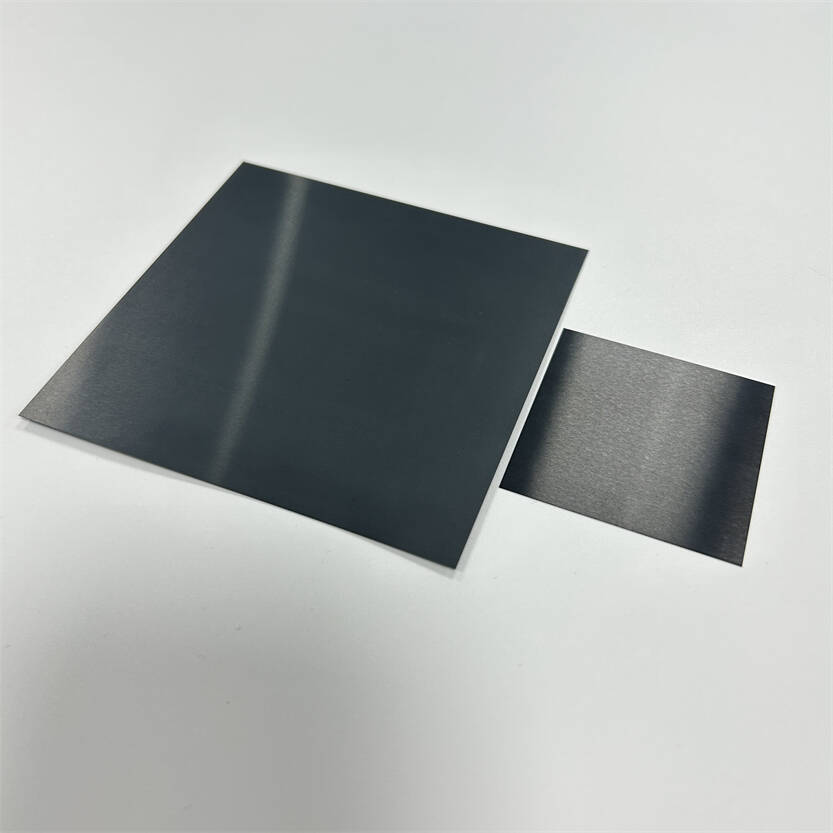
Alumina stands as the most widely used industrial ceramic today. It offers an excellent balance of electrical insulation and moderate wear resistance. Engineers specify alumina for general-purpose applications requiring durability and stability. However, it has distinct limitations. It exhibits lower thermal shock resistance compared to nitrides and carbides. Rapid temperature changes can cause structural fracturing. It performs best in environments with steady, predictable thermal loads. Purity levels range from 85% to 99.9%, with higher purities offering exponentially better chemical resistance.
Zirconia acts as the steel of the ceramic world. Yttria-stabilized zirconia utilizes transformation toughening to resist crack propagation. This makes it ideal for high-impact applications where other ceramics would shatter. You must note its operational limits, however. Mechanical properties degrade at extremely high temperatures. Phase destabilization occurs in humid environments, typically above 800°C. Keep zirconia applications within appropriate thermal boundaries to maintain structural integrity. It is frequently used in pump components, valve seats, and cutting blades.
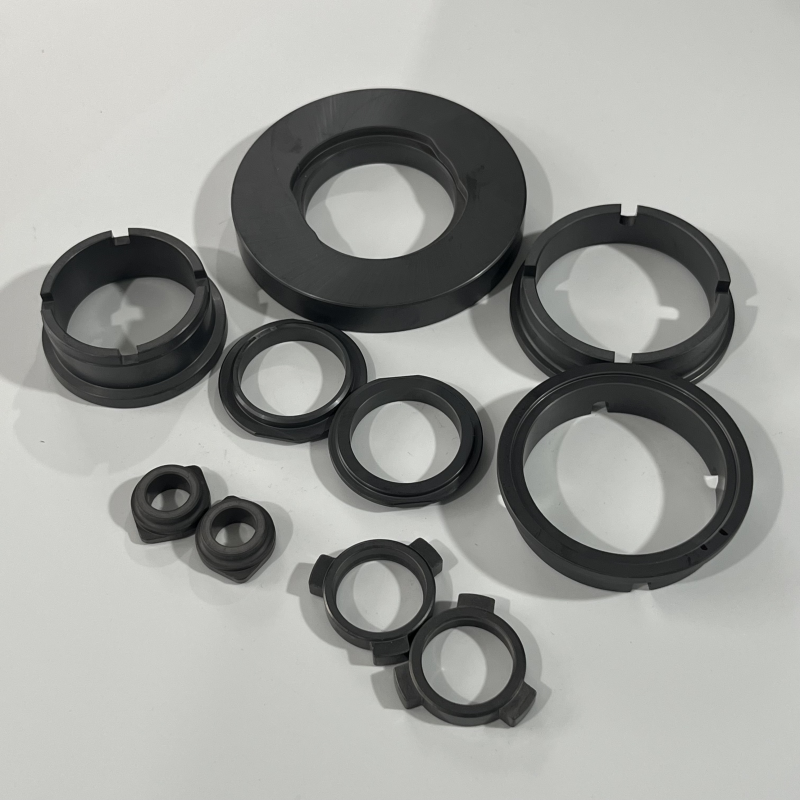
Silicon carbide excels in extreme abrasion and high-temperature environments. It withstands operating temperatures up to 1,600°C effortlessly. Its superior thermal conductivity makes it ideal for heat exchangers. Mechanical seal faces benefit greatly from its wear resistance. It handles aggressive chemical slurries without degrading. When you need a material to survive brutal physical wear and intense heat simultaneously, silicon carbide delivers exceptional performance. Reaction-bonded and sintered silicon carbide offer different mechanical properties depending on the application requirements.
Silicon nitride features a remarkably low coefficient of thermal expansion. This makes it the premier choice among High-Temperature Ceramics for applications involving rapid temperature fluctuations. Engine components and molten metal handling systems rely heavily on it. It survives severe thermal shock that destroys other materials. While raw material and processing requirements are demanding, the performance benefits justify its use in extreme thermal cycling environments. It maintains high mechanical strength even at elevated temperatures.
Transition metal borides and carbides handle the most extreme environments known to engineering. Materials like hafnium diboride and zirconium diboride withstand operating temperatures exceeding 2000°C. They serve critical niche applications in aerospace and hypersonic defense systems. Advanced nuclear reactors utilize them for their incredible stability. These materials push the absolute boundaries of thermal resistance. They require highly specialized manufacturing and integration techniques. Oxidation resistance at these extreme temperatures is a primary focus for UHTC development.
Machinable glass-ceramics allow for rapid prototyping and low-volume production. You can machine these materials using conventional metalworking tools. This eliminates the need for diamond grinding post-sintering. However, you must accept certain trade-offs. They possess lower maximum operating temperatures than fully dense structural ceramics. Their mechanical strength is also reduced. Use them for testing designs before committing to hard tooling for structural ceramics. They are excellent for vacuum feedthroughs and precision insulators.
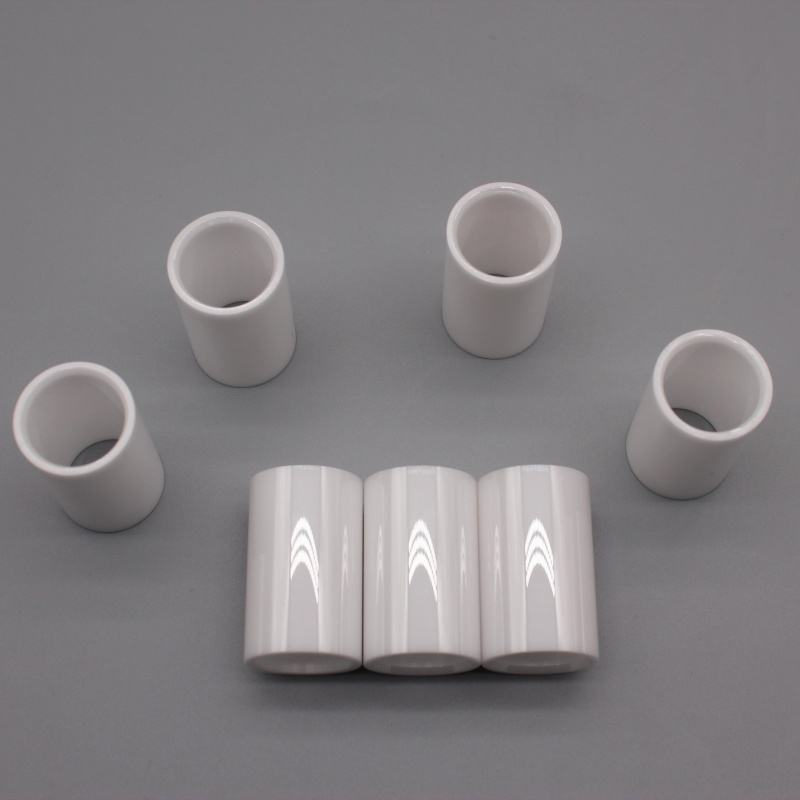
Compare materials based on maximum use temperature, thermal conductivity, and specific heat capacity. Surviving high static heat differs entirely from surviving rapid thermal cycling. The thermal shock parameter dictates how a material handles sudden temperature drops. High thermal conductivity helps dissipate heat rapidly, reducing localized stress. Evaluate the thermal gradient your component will experience. Match the material's thermal properties to the specific heat dynamics of your system. Thermal expansion mismatch is a primary cause of failure in multi-material assemblies.
Evaluate materials using the Mohs or Vickers hardness scales. Hardness directly correlates to abrasion resistance. The relationship between grain size, porosity, and long-term wear rates is critical. Fine-grained, fully dense ceramics resist abrasive slurries better than porous alternatives. Dry friction environments require materials with low coefficients of friction. Select materials that maintain their surface integrity under continuous mechanical assault to ensure longevity. Surface finish plays a massive role in wear performance; polished surfaces reduce friction and wear rates.
Evaluate material stability against acids, alkalis, and molten metals. Purity levels drastically alter chemical resistance. A 95% alumina component degrades faster than a 99.8% alumina component in aggressive acids. The glassy phase in lower-purity ceramics dissolves, leading to structural collapse. Specify high-purity formulations for severe chemical environments. Test materials against the exact chemical composition they will face in production to verify inertness. Temperature accelerates chemical reactions, so evaluate corrosion resistance at the actual operating temperature.
Analyze electrical resistivity and dielectric strength under high thermal loads. High-temperature ceramics maintain electrical insulation properties even as ambient temperatures rise to extreme thresholds. This makes them vital for high-voltage applications in hot environments. Standard insulators fail or melt under these conditions. Ensure the chosen ceramic prevents electrical arcing while surviving the surrounding thermal environment. Verify dielectric constants align with your system requirements. Porosity can trap moisture, which severely degrades electrical insulation performance.
| Material | Max Operating Temp (°C) | Thermal Shock Resistance | Primary Strength |
|---|---|---|---|
| Alumina (99%) | 1,700 | Moderate | Electrical Insulation |
| Zirconia (YTZP) | 1,000 | Good | Fracture Toughness |
| Silicon Carbide | 1,600 | High | Extreme Hardness |
| Silicon Nitride | 1,200 | Excellent | Thermal Shock |
Raw material selection heavily influences the final component fabrication process. Diamond grinding and post-sintering machining are required for extremely hard materials like Silicon Carbide. This requires specialized equipment and slow feed rates. You must balance the need for extreme hardness with the practical realities of manufacturing the component. Complex geometries in hard materials require extensive machining time. Simplify designs wherever possible to reduce fabrication complexity.
Shaping ceramic components in their soft green or unsintered state is highly efficient. You can use standard cutting tools to achieve near-net shapes. However, the material shrinks during sintering, which affects final tolerances. Post-sintering grinding achieves extreme precision but requires diamond abrasives. You must decide which method aligns with your tolerance requirements. Use green machining for bulk material removal and reserve post-sintering grinding for critical mating surfaces.
A component that lasts significantly longer in a highly corrosive environment reduces maintenance labor and downtime. You must evaluate the operational uptime gained by switching to advanced ceramics. Standard metals might require replacement every month, while a ceramic equivalent could last years. Calculate the value of uninterrupted production. The initial investment in technical ceramics is justified by the massive reduction in system downtime and maintenance interventions.
Utilizing standard geometries and stock materials simplifies the supply chain. Engineering custom-molded, application-specific ceramic composites requires dedicated tooling. Near-net-shape manufacturing processes, such as 3D printing or hot pressing, act as waste-minimization tactics. Evaluate if a standard tube or plate can be modified for your application before committing to custom molds. Custom formulations offer optimized performance but require extensive validation testing.
Address the reality of brittle fracture immediately. Ceramics do not yield; they break. You must implement specific mitigation strategies during the design phase. Eliminate sharp corners and utilize generous radii. Avoid point loads that concentrate stress. Design assemblies to place ceramic components under compressive rather than tensile stress. Ceramics possess massive compressive strength but weak tensile strength. Proper geometric design prevents catastrophic mechanical failures. Chamfer all edges to prevent chipping during handling and operation.
Engineers use statistical models and FEA to predict failure probabilities. Brittle materials behave differently than ductile metals under structural loads. The Weibull modulus measures the variability of material strength. A higher Weibull modulus indicates consistent, predictable mechanical behavior. Run extensive FEA simulations incorporating thermal and mechanical loads. Identify stress concentrations before manufacturing begins. Predictive modeling saves significant time and resources during the development cycle. Ensure your material data inputs for the FEA accurately reflect the specific ceramic grade you intend to use.
Mating ceramics with metals introduces severe risks due to differing thermal expansion rates. The CTE mismatch causes massive stress at the joint during heating. You must discuss mitigation tactics early in the project. Use compliant layers or gaskets to absorb expansion differences. Active metal brazing creates strong, reliable joints. Mechanical fastening requires thermal buffers. Alternatively, use expansion-matched alloys like Kovar to minimize interface stress. Shrink-fitting is another viable method if the thermal operating range is carefully controlled.
Warn your team about long lead times associated with custom tooling. Sintering cycles require precise control and significant time. Advise on strategies for rapid prototyping before committing to hard tooling. Use machinable glass-ceramics or 3D printing for initial fit checks. Validate the geometry and integration before ordering fully dense, sintered production parts. Proper planning prevents project delays caused by complex manufacturing requirements. Establish clear communication with your ceramic manufacturer regarding tolerance expectations and inspection criteria.
Document your exact operating parameters, including peak temperatures, pressures, and chemical exposures.
Identify the primary failure mode of your current materials to establish a baseline requirement.
Redesign existing metal component geometries to eliminate sharp corners and tensile stress points.
Engage a specialized materials engineer for feasibility testing and prototype development.
A: Alumina, zirconia, silicon carbide, and silicon nitride are the most common. Alumina provides general wear resistance and electrical insulation. Zirconia offers high fracture toughness for impacts. Silicon carbide excels in extreme heat and abrasion. Silicon nitride is the premier choice for severe thermal shock resistance.
A: Ceramics offer higher melting points, lower density, and superior oxidation resistance compared to refractory metals. However, refractory metals possess higher ductility and tensile strength. Ceramics are brittle and require specific design compensations to prevent sudden fracturing under mechanical stress.
A: Silicon carbide typically operates effectively between 1,400°C and 1,600°C. The exact maximum temperature depends heavily on the specific bonding matrix and manufacturing method used to produce the component.
A: Select materials with a low coefficient of thermal expansion, such as silicon nitride. Design parts with uniform wall thickness to ensure even heat distribution. Avoid sudden, localized heating or cooling that creates massive internal thermal gradients.
A: A direct geometric replacement is rarely successful. You must redesign the component to account for the ceramic's lack of ductility. You also need to manage the different thermal expansion rates when integrating the new part with existing metal assemblies.
A: The Weibull modulus is a statistical measure of the variability of material strength. A higher modulus indicates more consistent, predictable mechanical behavior. This predictability is critical for designing safety-critical components in harsh environments.
A: UHTCs are materials with melting points exceeding 3000°C. They are required specifically for hypersonic flight, aerospace re-entry, and extreme plasma environments where standard technical ceramics would melt or oxidize.