
Views: 0 Author: Site Editor Publish Time: 2026-08-13 Origin: Site


Extreme thermal environments push engineering materials to their absolute limits. When operations exceed 1,000°C, traditional metals warp, melt, or oxidize rapidly. Standard ceramics often degrade or contaminate sensitive processes under these intense conditions. This reality creates a massive engineering challenge for modern manufacturing facilities that rely on continuous, high-heat operations. Material failure in high-temperature equipment carries severe operational costs. Unplanned downtime halts production lines, while frequent consumable replacements drain maintenance budgets. In sensitive applications like semiconductor fabrication, compromised product yields result in massive financial losses. You need materials that survive extreme heat without sacrificing structural integrity. Silicon Carbide Ceramic serves as the baseline material for ultra-high-temperature applications. It bridges the critical gap between extreme thermal demands and long-term reliability. By resisting thermal shock and chemical degradation, it keeps high-temperature equipment running efficiently and safely, preventing catastrophic failures in the most demanding industrial environments.
Thermal Stability: Silicon carbide ceramic maintains mechanical strength and resists thermal shock at temperatures where standard alloys and alumina fail, driven by high thermal conductivity (120–270 W/mK) and low thermal expansion.
Chemical and Wear Resistance: Exceptional resistance to aggressive atmospheres, corrosive melts, and high-velocity abrasive particulates extends equipment lifespan in metallurgy, mining, and semiconductor processing.
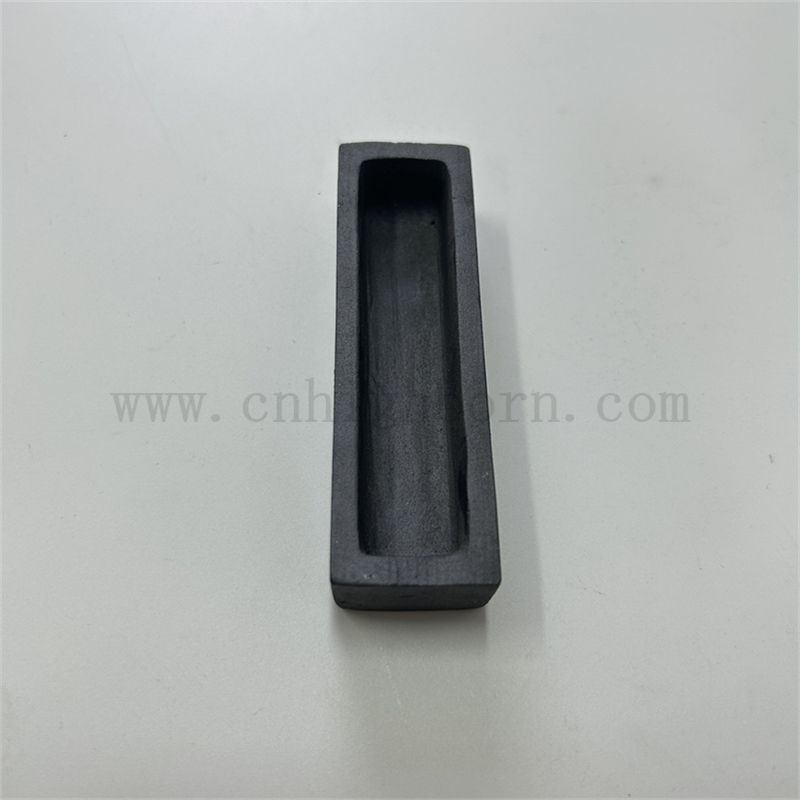
Application Specificity: Component selection—such as a SiC high temperature crucible or a corrosion resistant silicon carbide boat—must be matched to specific atmospheric and purity requirements.
High-temperature equipment components must meet strict success criteria to remain viable in industrial settings. They require absolute dimensional stability under thermal load. Purity is non-negotiable in advanced manufacturing, where even microscopic contamination ruins entire production batches. Components must endure rapid thermal cycling without cracking, and wear resistance dictates how long parts survive against abrasive forces. When evaluating materials for these environments, engineers must account for the specific failure modes that plague traditional alloys and standard ceramics.
Traditional materials fail through several predictable mechanisms in extreme heat. Understanding these failure modes is critical for specifying the correct replacement materials.
Thermal Spalling: This occurs when rapid temperature changes cause internal stress. The outer surface of a component expands or contracts faster than the interior, leading to surface cracking and eventual structural failure.
Oxidation: High temperatures accelerate chemical reactions between the material and oxygen in the atmosphere. This eats away at metal surfaces over time, reducing the effective load-bearing cross-section of the component.
Creep Deformation: Under prolonged thermal loads and mechanical stress, materials undergo slow, permanent plastic deformation. This causes parts to warp, losing their critical dimensional tolerances.
Mechanical Erosion: Surfaces exposed to high-velocity particulates or turbulent gas flows suffer physical degradation. Softer materials are quickly worn away, compromising the structural integrity of the equipment.
Chemical Degradation: Components exposed to reactive gases, acidic vapors, or corrosive slags break down chemically. This alters the material properties and often leads to premature failure.
Contamination destroys high-purity processes like wafer processing and advanced metallurgy. Outgassing introduces unwanted chemical vapors into vacuum chambers, altering the controlled atmosphere. Particulate shedding ruins delicate semiconductor layers, causing short circuits or defects in microchips. Elemental diffusion alters the electrical properties of final products, rendering them useless. Advanced technical ceramics prevent these catastrophic contamination events by maintaining a stable, inert surface even at peak operating temperatures. The financial impact of a single contamination event often exceeds the cost of upgrading the entire furnace to high-performance ceramic components.
Understanding the physics of silicon carbide ceramic explains its dominance in extreme environments. Its unique properties solve specific high-temperature engineering problems that other materials simply cannot handle. Engineers rely on these properties to design systems that push the boundaries of thermal processing.
Rapid and uniform heat transfer prevents localized thermal stress. This material dissipates heat exceptionally well, boasting a thermal conductivity ranging from 120 to 270 W/mK depending on the specific manufacturing method. It survives rapid heating and cooling cycles without cracking. High thermal conductivity protects components during aggressive temperature shifts, ensuring that the entire part expands and contracts uniformly. This characteristic is vital in batch processing operations where furnaces are frequently cycled between room temperature and maximum operating heat.
Metals and lower-grade ceramics undergo plastic deformation under prolonged thermal loads. Silicon carbide retains its flexural strength well above 1,400°C. It resists creep deformation entirely, maintaining its original shape even under heavy mechanical loads at extreme temperatures. This structural stability ensures precise dimensional tolerances remain intact during operation. When supporting heavy loads in a sintering furnace, the material will not sag or bend, preventing damage to the products being processed.
Physical erosion destroys softer materials in industrial furnaces. With a Mohs hardness exceeding 9, this ceramic resists severe abrasion. It survives high-velocity gas flows easily. Abrasive particulates bounce off without causing surface degradation. This makes it an ideal choice for burner nozzles, cyclone liners, and other components exposed to harsh, particulate-laden environments. The extreme hardness also translates to a longer operational lifespan, reducing the frequency of maintenance shutdowns.
A protective silicon dioxide passivation layer forms on the surface when exposed to oxygen at high temperatures. This layer shields the underlying ceramic from aggressive gases. It resists attacks from strong acids, halogens, and molten metals. Chemical inertness guarantees long-term survival in corrosive atmospheres. Unlike metals that continuously oxidize until they fail, the passivation layer on this ceramic is self-limiting, providing a stable barrier that protects the core material for thousands of operational hours.
This material functions as a wide-bandgap semiconductor. It powers high-temperature electronic devices and sensors that must operate in environments where standard silicon electronics would melt or fail. Semiconductor manufacturing equipment relies heavily on these stable electrical properties under thermal stress. The ability to tailor the electrical resistance through doping allows engineers to use it for specialized heating elements and electrostatic chucks in vacuum chambers.
Different industries leverage specific components to solve unique thermal challenges. Component selection dictates operational success, and matching the right material grade to the application is critical for maximizing equipment lifespan.
Thermal shields and susceptors demand rapid heat dissipation to maintain uniform temperatures across silicon wafers. Ultra-high purity prevents wafer contamination, which is critical for sub-nanometer node manufacturing. Resistance to plasma erosion keeps structural components intact during aggressive etching and deposition processes. These traits are non-negotiable for modern semiconductor fabrication, where even minor temperature variations or microscopic particles can ruin millions of dollars worth of product.
Foundries rely on the SiC high temperature crucible for metal melting and alloying. It resists severe metal melt corrosion, preventing the crucible material from contaminating the molten alloy. It endures continuous thermal cycling without structural failure, allowing for rapid heating and pouring operations. The smooth, non-wetting surface prevents aggressive slag buildup during heavy thermal loads, making cleaning and maintenance significantly easier compared to traditional clay-graphite alternatives.
High-temperature furnaces utilize the corrosion resistant silicon carbide boat to transport delicate components through continuous processing zones. It supports perfectly uniform thermal distribution, ensuring that all parts on the boat receive the exact same heat treatment. It resists degradation from highly reactive precursor gases used in CVD processes. This eliminates contamination risks during delicate sintering processes, ensuring the final products meet strict quality control standards.
Turbine components and heat exchangers require high strength-to-weight ratios to maximize fuel efficiency and payload capacity. Lightweight armor systems depend on extreme hardness to shatter incoming ballistic threats. Structural housings protect defense sensors in extreme environments, such as the leading edges of hypersonic vehicles. Thermal protection ensures mission-critical hardware survives atmospheric reentry and sustained high-speed flight.
Engineers must compare materials based on specific operational requirements. No single material solves every thermal problem, and understanding the trade-offs between different technical ceramics is essential for proper equipment design.
| Material | Thermal Conductivity | Thermal Shock Resistance | Maximum Operating Temp | Primary Use Case |
|---|---|---|---|---|
| Silicon Carbide (SiC) | High (120-270 W/mK) | Excellent | 1,600°C | Rapid thermal cycling, high abrasion, extreme heat |
| Alumina (Al2O3) | Low (20-30 W/mK) | Moderate | 1,700°C | General high-temperature insulation, budget-friendly |
| Silicon Nitride (Si3N4) | Moderate (30-90 W/mK) | Very Good | 1,200°C | High fracture toughness requirements, molten aluminum handling |
| Zirconia (ZrO2) | Very Low (2-3 W/mK) | Good | 2,000°C+ | Thermal insulation and heat shielding |
Alumina costs less but fails under rapid thermal cycling due to its high thermal expansion and low thermal conductivity. It lacks the ability to dissipate heat quickly, leading to internal stresses and cracking. Silicon carbide remains mandatory for high-abrasion zones and applications requiring rapid heating and cooling. It easily handles higher temperature thresholds without cracking, making it the superior choice for dynamic thermal environments.
Silicon nitride offers superior fracture toughness, making it more resistant to mechanical impact. However, silicon carbide provides better thermal conductivity and operates at higher peak temperatures. It features higher hardness and superior oxidation resistance at peak operating temperatures. Engineers typically choose silicon nitride for handling molten aluminum, while silicon carbide is preferred for general high-temperature structural components and semiconductor applications.
Zirconia acts as an excellent thermal insulator, preventing heat from passing through the material. Silicon carbide excels at heat transfer, moving heat away from critical areas. You must spec Zirconia for heat shielding applications where you want to keep the heat contained. Spec silicon carbide when rapid heat dissipation or uniform thermal distribution is the primary goal.
Deploying advanced technical ceramics requires careful planning and execution. Mishandling leads to expensive component failures and unexpected downtime. Engineering teams must account for the unique physical characteristics of these materials during the design and installation phases.
Ceramics possess inherent low fracture toughness compared to metals. They crack under sudden mechanical impact or point loading. Strict handling protocols prevent installation damage. Maintenance teams must use specialized tools, torque wrenches, and compliant gaskets to avoid accidental fractures. Dropping a component or over-tightening a mounting bolt will cause immediate, irreparable damage.
Machining this material post-sintering proves incredibly difficult and time-consuming. Its extreme hardness destroys standard cutting tools, requiring specialized diamond grinding equipment. Precise upfront engineering remains critical to minimize post-processing. Near-net-shape manufacturing techniques, such as slip casting or injection molding, reduce expensive secondary machining operations and lower the overall component cost.
You must specify the correct material grade for your specific application. Sintered, Reaction Bonded, and CVD grades offer different porosity levels, mechanical strengths, and purity profiles. Match the purity requirements to your specific application to avoid over-specifying and inflating costs. Verify supply chain quality through rigorous material testing and certification to avoid substandard materials that could fail prematurely in the field.
Silicon carbide ceramic provides a targeted, high-performance solution for extreme thermal environments. It delivers simultaneous thermal shock resistance, extreme hardness, and chemical inertness where traditional materials fail. Prioritize this material when thermal cycling speed, dimensional stability, and purity dictate your production yield and operational efficiency.
Audit your current high-temperature component failure rates to identify recurring bottlenecks.
Calculate potential downtime savings from extended maintenance cycles using high-performance ceramics.
Consult a technical ceramic manufacturer to review specific dimensional tolerances and purity specifications.
Implement strict handling and installation protocols for your maintenance teams to prevent mechanical damage.
A: It typically operates safely between 1,400°C and 1,600°C. The exact limit depends on the specific bonding and manufacturing method used. Oxidation behaviors slightly alter performance at the absolute maximum thresholds, requiring careful atmospheric control.
A: It offers superior oxidation resistance compared to standard graphite. It provides exceptional mechanical wear resistance. This leads to a significantly longer lifespan in specific atmospheric conditions and corrosive metal melts, reducing replacement frequency.
A: It drastically reduces particulate shedding and outgassing inside the furnace. It ensures uniform thermal distribution across the wafers. This stability prevents contamination and improves overall batch consistency during delicate processing steps.
A: It functions as a wide-bandgap semiconductor. Its electrical resistance changes depending on the operating temperature and specific doping methods used during manufacturing. It is not a perfect insulator, which allows for specialized electrical applications.
A: Its Mohs hardness of 9+ prevents surface erosion. It easily withstands high-temperature gas flows. Abrasive particulate matter bounces off the surface without causing structural degradation or dimensional loss over time.
A: High initial procurement costs pose a barrier. Complex machining post-sintering is difficult and expensive, requiring diamond tooling. Its inherent brittleness makes it highly susceptible to mechanical impact damage during installation and maintenance.
A: It possesses significantly higher thermal conductivity and lower thermal expansion than alumina. This combination results in vastly superior thermal shock resistance, allowing it to survive rapid heating and cooling cycles without cracking.