
Views: 0 Author: Site Editor Publish Time: 2026-01-12 Origin: Site


Have you ever wondered what makes certain glass so much more durable than the standard variety? Borosilicate glass, a unique type of special glass, has earned a strong reputation across numerous industries for its remarkable properties. Unlike traditional glass, which is commonly found in windows and containers, Borosilicate glass is engineered to withstand extreme conditions—whether it’s high temperatures, chemical exposure, or mechanical stress. This makes it an incredibly versatile material, essential for applications in fields ranging from scientific research to food storage. Special glass, a category that includes Borosilicate, refers to glass types designed for specific, demanding applications. These glasses are known for their enhanced durability, heat resistance, and chemical stability, which explains the growing demand as industries seek materials capable of performing under harsher conditions. In this article, we’ll dive into what makes Borosilicate glass so special, explore its key advantages, and uncover why it has become the go-to choice across various sectors.
Borosilicate glass is a type of special glass that primarily consists of silica (SiO₂) and boron trioxide (B₂O₃). The unique combination of these materials provides Borosilicate glass with its signature properties—thermal resistance, chemical stability, and strength.
The basic composition is complemented by small amounts of sodium oxide (Na₂O), aluminum oxide (Al₂O₃), and other materials, which help to enhance its mechanical and optical properties. The inclusion of boron trioxide is key to its high resistance to temperature variations and its superior performance compared to other types of glass, such as soda-lime glass.
Comparison with Other Glass Types
Borosilicate glass differs significantly from soda-lime glass, the most common type of glass used for windows and bottles. While soda-lime glass is inexpensive and effective for general use, it is more susceptible to thermal shock, meaning it can crack or shatter when exposed to sudden changes in temperature. In contrast, Borosilicate glass can withstand sudden temperature shifts ranging from -100°C to over 500°C without breaking. This makes it a preferred material in environments where temperature stability is essential, such as laboratories or kitchens.
The process of manufacturing Borosilicate glass begins with the fusion of silica and boron trioxide at high temperatures. The raw materials are carefully mixed in specific proportions to ensure that the final product maintains the desired properties. Once the materials are melted, they are molded into various forms—such as sheets, containers, or fibers—depending on the intended use.
One of the most significant differences in the production of Borosilicate glass compared to regular glass is the higher temperature required for melting the raw materials. This ensures that the boron trioxide is fully integrated into the glass, enhancing its resistance to thermal and chemical stress. After molding, the glass undergoes a cooling process, where its structure solidifies, locking in its heat-resistant and durable qualities.
Thermal Resistance and Durability: One of the standout features of Borosilicate glass is its exceptional thermal resistance. Borosilicate glass can withstand both high temperatures and rapid cooling without cracking. This is particularly valuable in laboratory glassware and kitchenware, where extreme temperature changes are common.
For instance, laboratory beakers and flasks made from Borosilicate glass are designed to handle both the heating of liquids and the rapid cooling that can occur when they are removed from a heat source. Similarly, in kitchenware, Borosilicate glass baking dishes are able to transition smoothly between hot oven temperatures and room temperature without breaking, making them a staple in modern kitchens.
Key Thermal Resistance Properties
Property | Borosilicate Glass | Soda-Lime Glass | Advantages |
Temperature Range | -100°C to 500°C | -30°C to 300°C | Wider range of temperature resistance |
Thermal Shock Resistance | High | Low | Reduced risk of cracking |
Durability under Heat | Excellent | Good | Higher longevity under heat stress |
Chemical Resistance: Borosilicate glass is highly resistant to many chemicals, including acids, bases, and organic solvents. This makes it particularly valuable in scientific laboratories and industries dealing with hazardous chemicals. In environments where glassware comes into contact with corrosive substances, Borosilicate glass offers a reliable, non-reactive solution.
For example, Borosilicate glass is commonly used for laboratory flasks, test tubes, and other equipment where it must resist the chemical effects of acids and solvents. Its resistance to chemical corrosion ensures that the glass does not react with the substances being contained or processed, ensuring both safety and accuracy in scientific experiments.
Applications in Chemical Environments
Industry | Application | Why Borosilicate Glass? |
Pharmaceutical | Storage of reactive chemicals | Non-reactive, prevents contamination |
Chemical Manufacturing | Containers for solvents | High resistance to acid/base exposure |
Laboratories | Glassware, beakers, flasks | Durable under chemical stress and heat |
Impact Resistance:Borosilicate glass is known for its exceptional impact resistance, making it highly durable and less likely to break under mechanical stress. This feature is crucial for applications where glassware or equipment is subjected to bumps, drops, or other physical stresses. Unlike regular glass, which can easily fracture under pressure, Borosilicate glass is designed to absorb shocks and resist breakage, ensuring longer-lasting performance in demanding environments. In high-tech industries like aerospace and electronics, where precision and reliability are paramount, Borosilicate glass is often used in critical components, such as optical lenses, sensors, and high-performance devices, that must withstand both impact and temperature fluctuations. This durability ensures that these components maintain their functionality even under extreme conditions, minimizing the risk of costly failures and improving overall product lifespan. Additionally, the resilience of Borosilicate glass makes it ideal for use in situations where frequent handling or transport is involved, further enhancing its value across industries.
In laboratories, Borosilicate glass is a standard material due to its heat resistance, chemical durability, and mechanical strength. Laboratory equipment, such as beakers, flasks, and petri dishes, are commonly made from Borosilicate glass because they can withstand the high temperatures and chemical exposure that occur during experiments.
For example, Pyrex, a well-known brand of laboratory glassware, uses Borosilicate glass to create its products, ensuring that they meet the demanding conditions of modern science. The non-reactive properties of Borosilicate glass also make it ideal for handling volatile chemicals without altering their composition.
Borosilicate glass is frequently used in the food and beverage industry, particularly for storage containers and cookware. Its resistance to heat and chemicals makes it an ideal material for food storage containers that need to endure the microwave or oven.
The non-reactive nature of Borosilicate glass also ensures that no harmful chemicals leach into the food, keeping it safe for consumption. This is particularly important for storing acidic foods, such as tomato-based sauces, which could react with lower-quality materials.
Example: Many glass containers used to store leftovers or store food in the fridge are made from Borosilicate glass due to its resistance to staining and odors.
In industries such as electronics, optics, and aerospace, Borosilicate glass is highly valued for its durability, heat resistance, and optical clarity. In aerospace, Borosilicate glass is used in components of spacecraft that require both heat resistance and mechanical durability. Similarly, in electronics, it is used in protective covers for devices that need to endure high heat and impact.
Borosilicate glass is also used in the manufacturing of optical fibers and lenses, where precision and clarity are paramount. The glass's ability to withstand environmental stress ensures that these components retain their functionality over time.
Special glass like Borosilicate is playing a pivotal role in advancing modern technology. In the medical field, Borosilicate glass is used in devices such as thermometers and optical instruments due to its precision and ability to perform reliably under varying conditions.
Additionally, Borosilicate glass is being used in advanced optics, such as in camera lenses, due to its ability to maintain clarity and precision even under stress. This trend of utilizing special glass in innovative technologies continues to grow as industries demand more robust materials to meet the needs of modern applications.
The future of Borosilicate glass is bright, with ongoing research aimed at improving its properties. Scientists are exploring ways to make Borosilicate glass even more heat-resistant, chemically inert, and lightweight, opening new possibilities for its use in cutting-edge technologies.
Furthermore, research is focused on improving its recyclability, making it even more sustainable. As industries increasingly focus on reducing their environmental footprint, the future of Borosilicate glass looks promising as a material that can meet both performance and sustainability goals.
Sustainability is a critical concern across all industries, and Borosilicate glass offers several advantages in this regard. Its long lifespan means that products made from Borosilicate glass do not need to be replaced frequently, reducing waste. Additionally, Borosilicate glass can be recycled, contributing to a circular economy and minimizing the environmental impact of glass production.
Cost vs. Benefits
While Borosilicate glass tends to be more expensive than standard glass, its durability and versatility make it a cost-effective choice in the long run. For businesses that rely on glass products in harsh environments, the initial higher cost is offset by the reduced need for replacements, maintenance, and the overall longer lifespan of the material. Additionally, because it lasts longer and performs better under extreme conditions, it helps companies avoid the expense of frequent product failures and downtime, further enhancing its value.
Longevity and Sustainability
Borosilicate glass’s longevity ensures that products made from it last for many years, minimizing the environmental impact. Unlike other materials that may need to be replaced often, Borosilicate glass maintains its performance over time, reducing waste. This durability makes it a sustainable material choice for industries looking to reduce both replacement costs and waste production. Moreover, its extended lifespan contributes to fewer resources being consumed for production, leading to a smaller carbon footprint in the long run.
Environmental Impact
Borosilicate glass has a relatively low environmental impact compared to other materials. Its ability to be recycled means it can be repurposed without losing its quality, reducing the demand for new raw materials. Furthermore, its durability ensures fewer replacements are needed, which contributes to a decrease in waste generation. By choosing Borosilicate glass, industries are also encouraging a circular economy model, as the material can be recycled and reused, helping minimize environmental damage and conserving natural resources.
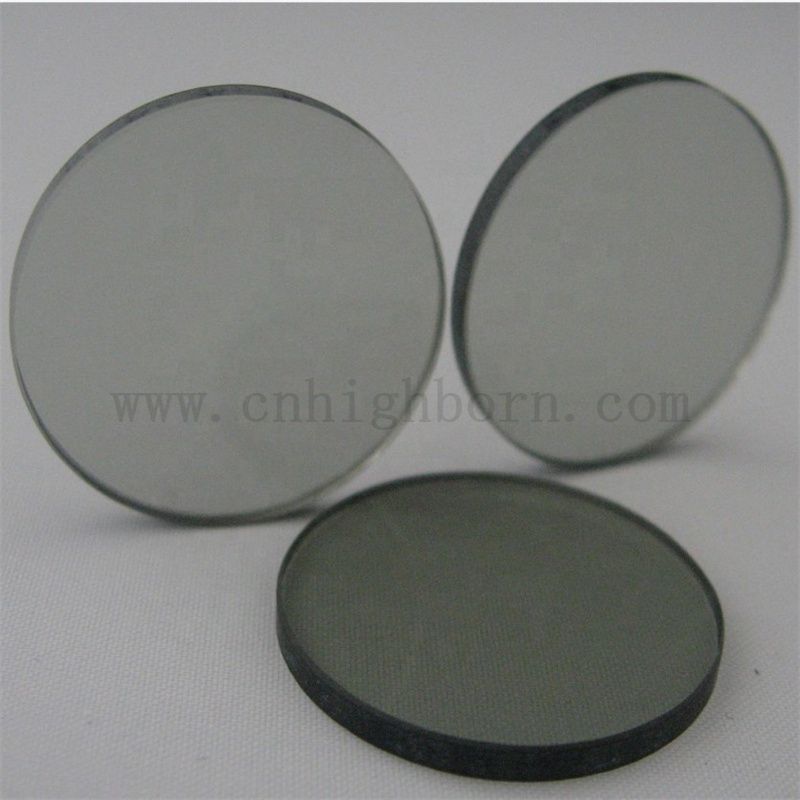
Borosilicate glass is a versatile and durable material with a wide range of applications across various industries. From laboratory glassware to kitchenware and high-tech devices, Borosilicate glass offers unique advantages that make it a preferred choice for demanding environments. Its resistance to heat, chemicals, and mechanical stress ensures its continued relevance as technology evolves. As research continues to enhance its properties, the future of Borosilicate glass looks promising in terms of both innovation and sustainability.
When evaluating Borosilicate glass for your industry, consider its long-term benefits in terms of durability and sustainability. Despite its higher upfront cost, its performance and longevity make it a smart investment. Companies like HIGHBORN are already leveraging these benefits, ensuring that their products are built to withstand the most challenging conditions.
A: Borosilicate glass is a special type of glass made primarily from silica and boron trioxide. It is known for its high resistance to heat, chemicals, and impact, making it ideal for laboratory glassware, cookware, and high-tech applications.
A: Unlike regular glass, Borosilicate glass contains boron trioxide, which gives it superior thermal resistance and chemical durability. This makes it less likely to crack under temperature changes, making it a preferred choice for special glass applications.
A: Borosilicate glass is highly resistant to thermal shock, chemicals, and physical impact. Its durability and stability under extreme conditions make it a valuable material for laboratory equipment, cookware, and high-tech devices.
A: Yes, Borosilicate glass is commonly used for food storage due to its non-reactive nature. It does not leach chemicals into food, making it a safe and durable choice for containers and cookware.