
Views: 0 Author: Site Editor Publish Time: 2026-10-06 Origin: Site


Pacing fields at dawn to guess crop water needs is a massive gamble. Surface soil appearance lies. You end up overwatering, which flushes expensive fertilizer straight past the root zone and wastes precious pumping energy. Or worse, you underwater. This severely damages growing plants and stunts their development long before you ever see the visible signs of wilt. A high-quality soil tensiometer removes this dangerous guesswork completely. It acts as an artificial root, giving you a literal, mechanical read on the exact hydraulic stress your plants are experiencing underground.
In this comprehensive engineering guide, we will break down the fluid dynamics and practical field applications of this essential irrigation tool. You will discover how the internal vacuum mechanisms interact with the earth. More importantly, you will learn to interpret gauge fluctuations with agronomic confidence and master the installation techniques necessary to keep your crops thriving season after season.
A tensiometer measures soil moisture tension. This provides a direct mechanical indicator of plant water stress rather than merely calculating total soil water volume.
The device operates purely on the fundamental principles of capillary action and fluid dynamics. It requires no external electricity or complex software to function in harsh field environments.
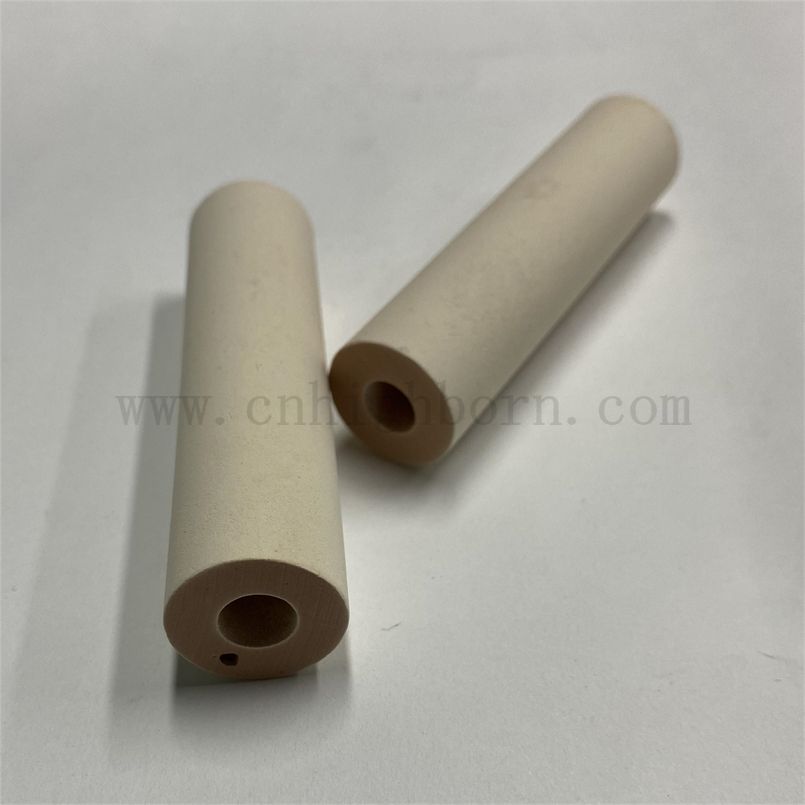
The porous ceramic tip acts as the critical interface. It allows water to move freely between the surrounding soil and the fluid reservoir while strictly keeping ambient air out.
Reading the mechanical gauge correctly empowers growers to optimize customized irrigation schedules. These schedules can be perfectly tailored to specific soil textures and crop physiological requirements.
Proper field installation is non-negotiable. Mixing a thick native mud slurry to ensure an airtight hydraulic seal with the ceramic tip is absolutely essential for obtaining accurate moisture readings.
To truly master agricultural water management, farm operators must distinguish between soil water content and soil moisture tension. Soil water content simply measures the sheer volume of liquid present in a given block of earth. However, soil moisture tension—often referred to by agronomists as matric potential—measures how tightly that specific volume of water is bound to the soil particles.
Think of a developing plant root as a biological pump. When the field is saturated after heavy rainfall, extracting water requires very little effort. As the days pass and the topsoil dries out, the remaining moisture adheres much more tightly to the microscopic crevices of the dirt. Consequently, the plant must exert significantly more biological energy to extract the hydration it needs to survive. A tensiometer mechanically replicates this exact physiological process. It provides a physical, numerical measurement of the effort required by the crop.
For commercial farmers and greenhouse operators, estimating irrigation requirements based on a quick kick of the topsoil is no longer economically viable. Recent agricultural data shows a massive shift toward data-driven irrigation management. Farm managers are rapidly abandoning rigid watering schedules. Instead, current industry trends heavily favor integrating traditional mechanical tension measurement devices with modern Internet of Things data loggers.
This hybrid approach tackles global water scarcity head-on. It allows growers to maintain the bulletproof reliability of physical tension readings while benefiting from remote cellular monitoring. By understanding the exact tension in the active root zone, bottom-of-funnel decision-makers can apply water only when crops approach actual physiological stress. The result is drastically reduced pumping costs, zero nutrient leaching, and mitigated risk of root asphyxiation caused by waterlogged conditions.
The main architectural body of a standard tensiometer consists of a rigid, UV-resistant clear plastic or acrylic tube. This serves as a localized water reservoir. Before field deployment, this tube is filled to the brim with clean, deaerated water. The top of the tube is then sealed shut with a threaded cap and a heavy-duty rubber stopper. This upper seal is a make-or-break component. It must remain one hundred percent airtight. Even a microscopic air leak will instantly equalize the internal pressure with the outside atmosphere, completely neutralizing the instrument's ability to measure subterranean tension.
At the very bottom of the transparent water reservoir sits the ceramic probe pipe. This component serves as the primary sensory interface between the mechanical device and the living earth. Manufactured from highly specialized kiln-fired materials, this rigid tip possesses a labyrinth of microscopic channels. When soaked prior to installation, these tiny pores fill completely with liquid. The physical engineering of the ceramic dictates a unique selective permeability. It is highly permeable to liquid water but completely impermeable to outside ambient air when thoroughly wet. This specific trait is the linchpin that makes the entire vacuum mechanism possible.
Attached near the top of the sealed tube is the mechanical dial. This gauge translates invisible internal pressure fluctuations into readable, standardized numbers for the farmer. As the pressure inside the sealed tube drops below normal atmospheric pressure, delicate mechanical linkages inside the brass or stainless-steel housing physically turn the indicator needle. This provides an immediate visual representation of the vacuum force currently acting upon the water column, which correlates directly to the dryness of the surrounding soil matrix.
The fundamental physics driving this agronomic tool rely heavily on capillary action. In fluid dynamics, capillary action is the ability of a liquid to flow in narrow spaces without the assistance of external forces like gravity. In the context of soil mechanics, subterranean water naturally seeks equilibrium. It perpetually attempts to move from areas of high moisture concentration toward areas of low moisture concentration.
When you bury a tensiometer in the ground, the internal water column is in direct physical contact with the native soil moisture via the microscopic pores of the ceramic tip. If the soil surrounding the tip is drier than the fully saturated ceramic, the parched earth exerts a strong capillary pull. It physically draws liquid out of the tensiometer tube, pulling it through the ceramic wall and into the surrounding dirt to balance the moisture gradient.
Because the top cap is perfectly sealed against the atmosphere, the water leaving through the bottom creates an internal void. Since air cannot enter to replace the lost liquid, this chain reaction generates negative pressure inside the rigid tube. This is the vacuum.
As the sun beats down and the crop continues to transpire, the soil capillary pull becomes increasingly aggressive. It draws more water out of the device, steadily increasing the negative pressure inside the reservoir. The attached gauge continuously measures this exact negative pressure. Therefore, watching the needle climb higher on the dial indicates a strengthening vacuum. This directly equates to drier earth and escalating plant water stress.
Far from being a static measurement, the system is highly dynamic and fully reversible. When you finally trigger an irrigation event, the localized soil moisture level rises dramatically. The tension in the soil drops almost instantly. Because the vacuum trapped inside the tensiometer is now significantly stronger than the capillary pull of the newly wetted soil, the negative pressure literally sucks water back in through the ceramic tip. As the acrylic tube slowly refills, the internal vacuum dissipates. The needle on the dial drops back toward zero, signaling that your crop once again has effortless access to hydration.
Not all ceramics are created equal when it comes to manufacturing precision agricultural tools. The undisputed industry gold standard for the sensor tip is porous alumina ceramic. Alumina is specifically chosen over standard earthenware clays due to its incredible mechanical durability and robust chemical resistance. Agricultural soils can be highly acidic or laden with corrosive synthetic fertilizers. Standard materials degrade or dissolve over time under these harsh conditions.
High-grade alumina ceramics, like those engineered by Highborn, withstand aggressive soil chemistry without breaking down. Furthermore, the advanced manufacturing process allows for a highly uniform pore size distribution. This precision engineering ensures a consistent flow rate of water in and out of the tube, which is absolutely critical for drift-free data collection.
A crucial technical concept for professional agronomists to grasp is the Air Entry Value, frequently referred to as bubbling pressure. As the vacuum inside the tensiometer builds due to baking summer soils, it creates a powerful suction against the water held captive in the ceramic pores. If those pores are too large or irregular, the internal vacuum will eventually overpower the surface tension of the water. It will pull dry air bubbles directly from the parched soil right through the wet ceramic wall.
Once ambient air enters the closed system, the vacuum shatters. The device immediately fails to provide accurate readings. Premium porous alumina ceramics are engineered with specific micro-porosity to maintain an exceptionally high air entry value. This ensures the hydraulic seal holds firm even against extreme vacuums, allowing the instrument to register accurate high-tension readings in arid environments without failing.
To utilize this technology effectively in the field, operators must understand the units of measurement displayed on the vacuum gauge. Most modern agricultural dials measure tension in centibars or kilopascals. Fortunately for quick field calculations, these two units are mathematically equivalent. One centibar equals one kilopascal. The printed scale typically ranges from zero to one hundred, representing the full agronomic spectrum from total saturation to severe wilting dryness.
0 cb - Saturated Soil: A reading of zero indicates that the earth is completely waterlogged. The soil matrix is at maximum capacity. Prolonged readings at this level serve as a warning for potential root rot due to oxygen deprivation.
10 to 30 cb - Field Capacity: This represents the optimal moisture sweet spot for most commercial crops. The soil contains a perfect balance of available water and breathable oxygen.
30 to 60 cb - Irrigation Trigger Zone: Entering this range means the soil is actively drying out. For many delicate vegetables and shallow-rooted crops, hitting 40 or 50 cb is the precise empirical indicator to turn on the drip lines.
70 to 85 cb - Danger Zone: At this elevated level, the ground is severely dry. Plants are working exceptionally hard to extract trace moisture, leading to visible wilting and reduced fruit yield. Standard tensiometers will physically break their vacuum at around 85 cb as the absolute limits of the water column tensile strength are reached.
A reading of 40 cb dictates a completely different management action in sandy soil compared to heavy clay. Sandy soils feature large coarse pore spaces and drain rapidly. Therefore, a relatively low tension reading of 20 cb indicates that most available water has already vanished, requiring immediate light irrigation. Conversely, clay soils consist of microscopic tightly packed particles that hoard water. Crops grown in heavy clay can safely tolerate much higher tension readings up to 60 cb before supplemental irrigation is actually required.
The ultimate accuracy of your data relies entirely on proper preparation. Skipping steps here guarantees false readings later. Before a tensiometer ever touches the dirt, it must undergo a strict pre-conditioning phase. Submerge the ceramic tip in a bucket of clean distilled water for a minimum of twelve hours. This prolonged soaking ensures every microscopic channel within the ceramic is fully saturated.
Once soaked, fill the clear reservoir tube with deaerated water. It is highly recommended to use a handheld vacuum hand-pump on the filled tube before taking it to the field. Pumping the top of the tube forcefully draws out any dissolved air bubbles trapped inside the liquid column. Because air is highly compressible, trapped air bubbles will act as a spongy shock absorber, causing the gauge needle to respond sluggishly to actual changes in the soil.
Strategic placement within your acreage ensures that the data collected accurately reflects real-world conditions. The instrument must be installed directly in the active root zone. For professional orchard management, agronomists strongly advise utilizing a dual-depth installation strategy at each monitoring station.
By placing one tensiometer in the shallow root zone at twelve inches deep and a second unit in the deeper subsoil at thirty-six inches deep, growers obtain a complete three-dimensional moisture profile. The shallow gauge dictates when it is time to turn on the pumps. The deep gauge dictates how much to irrigate, ensuring that water penetrates deeply enough without flushing expensive fertilizers past the bottom roots.
The single most common cause of complete instrument failure is poor soil contact during installation. If there are air pockets or loose rocks surrounding the tip, capillary action cannot bridge the divide. This results in artificially low flatlined vacuum readings.
To achieve flawless hydraulic contact, use a soil auger that closely matches the exact outer diameter of the tensiometer tube. Bore the hole smoothly to the desired depth. Next, take a handful of the excavated native soil, remove any pebbles, and mix it with water to create a thick viscous mud slurry. Pour a cup of this slurry down into the bottom of the bored hole. Finally, insert the tensiometer and push it down firmly into the mud with a gentle twisting motion. This technique guarantees that the ceramic tip is completely enveloped.
While this is a robust mechanical instrument with no delicate electronic motherboards to fry, it still demands routine visual inspections. During the peak heat of summer, tiny amounts of water are permanently drawn out of the tube. Operators walking the rows must inspect the clear acrylic reservoir regularly. When the internal water level drops by an inch or two, the cap must be carefully unsealed and the tube topped up with fresh deaerated water. Failing to maintain the fluid level will eventually lead to a complete loss of vacuum.
Occasionally, you may walk past a monitoring station and notice the gauge has suddenly plummeted to zero, even though the surrounding dirt is visibly bone-dry. This indicates a broken vacuum. Ambient air has breached the sealed system.
Troubleshooting this frustrating issue requires a methodical check of three primary failure points. First, inspect the rubber O-ring at the top cap. A cracked dry-rotted seal is the most frequent culprit. Second, examine the acrylic body for hairline fractures caused by careless tractor equipment. Finally, consider the soil conditions. If the earth became excessively dry, pushing past 85 cb, the extreme environmental tension likely overpowered the bubbling pressure of the ceramic. If this occurs, simply irrigate the field heavily, refill the tube, pump out the air, and reseal the device.
In the rapidly evolving landscape of agricultural technology, farm managers are frequently tasked with choosing between traditional mechanical instruments and highly advanced electronic sensors. Electronic moisture probes, such as Capacitance or Time Domain Reflectometry sensors, measure Volumetric Water Content. They utilize electromagnetic fields to determine the raw percentage of water present in a given volume of dirt.
While Volumetric Water Content is undeniably a valuable metric, it does not directly correlate to plant stress unless the grower spends significant time and money extensively calibrating the software to their specific soil type. In contrast, a tensiometer measures the direct physical plant effort required to extract water. It does not care how many gallons of water are physically present. It only measures how aggressively the soil is holding onto it.
| Feature | Mechanical Soil Tensiometer | Electronic Sensors (TDR/Capacitance) |
|---|---|---|
| Measurement Metric | Soil Moisture Tension (Plant effort) | Volumetric Water Content (Water volume) |
| Calibration Required | None. Universally applies to all soil types. | Extensive soil-specific calibration needed. |
| Power Source | None. Operates on fluid physics. | Requires batteries and solar panels. |
| Salinity Interference | Zero interference from fertilizers. | High salinity heavily skews data. |
| Cost of Ownership | Low. Highly cost-effective long-term. | High. Requires software subscriptions. |
From a capital investment perspective, mechanical tensiometers offer exceptional long-term cost-effectiveness. When constructed with premium UV-resistant polymers and high-grade alumina ceramics, a well-maintained unit provides highly accurate drift-free readings for many consecutive growing seasons. This minimal total cost of ownership makes it an indispensable asset for operations focused on maximizing crop yield while ruthlessly minimizing operational overhead.
Mastering your irrigation strategy requires moving beyond guesswork. A soil tensiometer provides a direct window into the subterranean world, measuring the exact water stress your plants are experiencing in real-time. By harnessing the natural power of capillary action and translating it through a highly sensitive vacuum gauge, this tool delivers empirical data that directly correlates to plant health.
Ultimately, the reliability of this data hinges entirely on the quality of the instrument construction. Specifically, the integrity of the porous ceramic tip that bridges the gap between the device and the earth dictates your success. By understanding how to properly install, maintain, and interpret these devices across different soil types, you empower yourself to make precise irrigation decisions.
Ready to upgrade your precision agriculture equipment? The performance of your tensiometer is only as good as its ceramic sensor. Ensure your irrigation data is flawless by choosing industry-leading porous alumina ceramic components. Explore high-durability, precision-engineered ceramic probe pipes and solutions tailored for sustainable agriculture at Highborn Ceramics today to secure consistently higher yields for your harvest.
While constructing a homemade tensiometer using PVC pipes and hardware store gauges is technically possible, it is highly discouraged for serious agricultural applications. Sourcing a properly calibrated consistent ceramic tip and ensuring a permanent airtight seal under high vacuum pressure is incredibly difficult. Commercial units undergo rigorous pressure testing to guarantee the vacuum holds under extreme field tension.
During peak summer growing seasons, periods of high wind, or intense evaporation, it is highly advisable to check the gauge daily. Consistent routine monitoring allows you to establish a clear visual trend of exactly how quickly your specific soil dries out. This helps you anticipate and schedule irrigation runs before the plants ever enter the stress zone.
These devices are exceptionally effective in sandy, loamy, and light to medium clay soils. However, in extremely heavy expansive clay soils that have been allowed to dry out completely, the moisture tension can easily exceed 85 cb. At this extreme negative pressure, the physical limits of the water column are surpassed, causing ambient air to enter the pores and breaking the vacuum.
The ideal depth depends entirely on the active root zone of your specific crop. For shallow-rooted vegetables like lettuce or strawberries, installing the ceramic tip at six to eight inches is standard. For deep-rooted orchards and vineyards, a dual-sensor approach is best. Place one sensor at twelve inches to monitor daily water use, and a second sensor at thirty-six inches to ensure deep moisture penetration without over-leaching.
If your soil is visibly dry but your gauge suddenly reads zero, your instrument has lost its vacuum seal. This is usually caused by a degraded rubber O-ring at the top cap, a hairline crack in the plastic tube, or soil that became so dry it pulled ambient air straight through the ceramic pores. You must inspect the seals, refill the tube with deaerated water, and re-establish the vacuum with a hand pump.