
Views: 0 Author: Site Editor Publish Time: 2026-01-14 Origin: Site


Why are High-alumina industrial ceramics a key player across industries? With their exceptional wear resistance and heat stability, these ceramics are indispensable in some of the most demanding environments. In this article, we’ll uncover the top 5 applications of high-alumina ceramics. You’ll discover how these powerful materials are transforming industries from automotive to healthcare and beyond.
The automotive industry has long relied on high-alumina ceramics for components that require both durability and performance. These ceramics excel in parts that must withstand high wear and thermal stress, offering manufacturers a reliable solution for extending the lifespan and efficiency of vehicles.
Engine components such as pistons, valve seats, and bearings experience significant wear over time. High-alumina ceramics are widely used in these applications due to their excellent hardness and wear resistance. The ceramic materials significantly reduce friction and wear, contributing to smoother engine operations and extended component life.
Component | Application | Benefit |
Pistons | Engine components | Reduced wear and friction, leading to extended life |
Valve Seats | Engine components | High durability and thermal stability |
Bearings | Engine components | Low friction, enhanced performance |
High-alumina ceramics enhance engine performance by reducing friction between moving parts. This reduction in friction leads to better fuel efficiency, as less energy is wasted in overcoming friction. As a result, vehicles that use high-alumina ceramics in their engine components tend to perform better, achieving higher fuel economy and reduced emissions.
Exhaust systems in vehicles are subjected to extreme temperatures. High-alumina ceramics play a crucial role in managing these temperatures by providing heat resistance and preventing degradation of exhaust components. These ceramics help in maintaining the integrity of the exhaust system, reducing the likelihood of costly repairs.
Aerospace is one of the most demanding industries, where materials must perform under high stress, extreme temperatures, and fluctuating pressures. High-alumina ceramics meet these challenges head-on, making them a valuable material for the sector.
Aerospace Components that Require Extreme Durability
High-alumina ceramics are used in various aerospace components, including turbine blades, nozzles, and other high-stress parts. These materials offer superior mechanical strength, which is essential in environments where performance and reliability are critical for safety and efficiency.
Aerospace Component | Role of High-Alumina Ceramics | Key Benefit |
Turbine Blades | High-temperature resistance | Durability under extreme stress |
Nozzles | Heat resistance | Maintain performance in high-temperature environments |
Heat Shields | Thermal insulation | Protection from intense heat during launches |
Thermal Insulation for Spacecraft and Satellites
Spacecraft and satellites operate in environments with extreme temperature variations. High-alumina ceramics provide thermal insulation, protecting sensitive components from both extreme heat and cold. Their ability to withstand temperature extremes makes them ideal for space exploration, satellite protection, and spacecraft insulation.
Structural Integrity Under Extreme Conditions
High-alumina ceramics are also used to maintain structural integrity under high-pressure conditions, such as those found during rocket launches or in space travel. The material's ability to retain its strength under intense heat and pressure makes it indispensable in critical aerospace applications.
The chemical industry requires materials that can handle corrosive substances and high temperatures without degrading. High-alumina ceramics are ideal for these demanding environments, offering both corrosion resistance and stability under extreme conditions.
Corrosion Resistance in Chemical Reactors:In chemical reactors, materials are exposed to harsh chemicals that can lead to corrosion over time. High-alumina ceramics are resistant to chemical attack, making them ideal for reactor linings, piping, and other critical components. Their durability ensures that reactors continue to operate efficiently without the need for frequent replacements.
Chemical Application | Benefit of High-Alumina Ceramics |
Reactor Linings | Resistance to corrosion and high temperatures |
Piping Systems | Long-lasting durability and reliability |
Catalyst Supports | High strength under chemical stress |
Catalyst Supports and Reaction Chambers:Catalysts are often used in chemical reactions to speed up processes, and they must be supported by a material that can withstand high temperatures and chemical exposure. High-alumina ceramics are used as catalyst supports in reactors because they provide the necessary strength and thermal stability to enhance the efficiency of chemical processes.
High-Temperature Applications:The chemical industry frequently involves high-temperature operations, such as in furnaces and kilns. High-alumina ceramics can withstand temperatures that would cause other materials to fail, making them ideal for these high-heat applications. They maintain their structural integrity, ensuring the continued efficiency and safety of these high-temperature environments.
The electronics industry relies on materials that offer excellent insulation properties and high-temperature stability. High-alumina ceramics provide both, making them indispensable for the production of electronic components.
High-alumina ceramics are excellent insulators, making them ideal for use in electronic circuits. They prevent electrical currents from leaking and ensure that electronic devices operate safely and efficiently. These ceramics are particularly useful in high-voltage applications, where electrical insulation is critical.
Microelectronic devices, such as semiconductors and circuit boards, require substrates that can withstand high temperatures and mechanical stress. High-alumina ceramics are used as substrates for these devices, providing a stable platform for their delicate components. The material's ability to dissipate heat also ensures the longevity of these devices.
In addition to their use in substrates, high-alumina ceramics are used in capacitors and electronic modules. These components require materials that can handle both heat and electrical stress, and high-alumina ceramics meet these requirements with ease. Their high-density properties make them ideal for storing energy and maintaining the stability of electronic circuits.
High-alumina ceramics in electronics can lead to more reliable, long-lasting devices. Their insulating and heat-dissipating properties make them essential for high-performance applications.
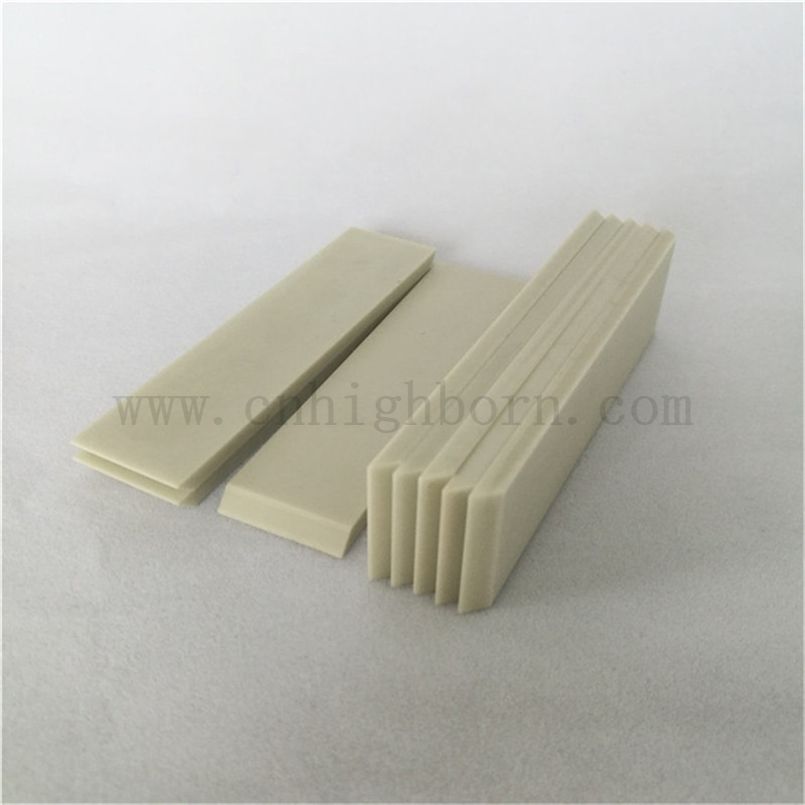
High-alumina ceramics are also used in the medical field, where their biocompatibility, wear resistance, and strength are crucial for producing implants and surgical tools. These ceramics play a significant role in improving patient outcomes and extending the longevity of medical devices.
Biocompatibility in Implants
In medical implants, materials must be biocompatible to prevent rejection by the body. High-alumina ceramics are ideal for this purpose, as they do not cause adverse reactions when in contact with body tissues. Their excellent strength and wear resistance also make them suitable for implants that must endure mechanical stress.
Wear-Resistant Surfaces in Orthopedic Devices
Orthopedic devices such as joint replacements benefit from high-alumina ceramics' wear resistance. These ceramics maintain their integrity over time, ensuring that the devices remain functional and free from wear-induced failure. This makes them particularly valuable in hip and knee replacements, where durability is key.
Medical Application | Role of High-Alumina Ceramics | Key Benefit |
Orthopedic Devices | Wear resistance in implants | Extended lifespan and reduced wear |
Surgical Tools | Precision cutting tools | Sharpness and durability over time |
Implants | Biocompatibility | Long-lasting without causing rejection |
Surgical Tools and Components
High-alumina ceramics are used in the production of surgical tools that require precision and longevity. These materials are ideal for making cutting instruments and other tools that need to maintain sharpness and strength during medical procedures. Their durability reduces the need for frequent replacements, making them a cost-effective solution in healthcare.
Tip: High-alumina ceramics in medical applications can significantly improve the lifespan and reliability of implants and surgical instruments, enhancing patient outcomes.
High-alumina industrial ceramics are indispensable in a wide range of industries, from automotive and aerospace to electronics and healthcare. Their remarkable properties—such as wear resistance, heat stability, corrosion resistance, and biocompatibility—make them ideal for applications where other materials may fall short. As industries continue to innovate, the demand for high-alumina ceramics will likely grow, opening new opportunities for their use in advanced technologies. Companies like HIGHBORN are leading the way in providing high-quality high-alumina ceramics, offering cutting-edge solutions to meet the growing needs of various industries.
Whether it's enhancing fuel efficiency in vehicles, ensuring the durability of aerospace components, or improving the functionality of medical devices, high-alumina ceramics are poised to play an even greater role in the future. Their ability to meet the challenges of extreme environments will continue to drive their adoption across industries, with trusted suppliers like HIGHBORN helping to shape the future of manufacturing and engineering.
A: High-alumina industrial ceramics are used in various industries such as automotive, aerospace, chemical, electronics, and medical applications. They offer superior wear resistance, heat stability, and mechanical strength, making them ideal for components like engine parts, turbine blades, and medical implants.
A: High-alumina industrial ceramics are crucial in automotive applications due to their ability to withstand high wear, extreme temperatures, and improve fuel efficiency. They are commonly used in engine components, exhaust systems, and catalytic converters.
A: High-alumina industrial ceramics are used in aerospace for their thermal insulation and durability. They help protect components such as turbine blades and nozzles from extreme heat, ensuring the safety and efficiency of aerospace systems under high-stress conditions.
A: High-alumina industrial ceramics provide biocompatibility, wear resistance, and durability, making them ideal for orthopedic implants, surgical tools, and prosthetics. They ensure long-lasting functionality and reduce the risk of wear and tear over time.