
Views: 0 Author: Site Editor Publish Time: 2026-01-19 Origin: Site


Why are Metalized ceramic substrates a game-changer in electronics? When it comes to device performance, the right substrate can make all the difference. Metalized ceramics are known for their outstanding thermal, electrical, and mechanical properties, making them the ideal choice for high-performance electronics. In this article, we’ll delve into how these advanced substrates improve reliability in power electronics, LED packaging, and beyond. You’ll discover why metalized ceramics are indispensable in modern devices, ensuring both efficiency and durability.
Metalized ceramic substrates are materials used in electronic packaging to mount and connect components. They are composed of a ceramic base, typically made from materials like alumina, aluminum nitride, or beryllium oxide, which are then coated with a thin metal layer. This metal layer improves the ceramic’s conductivity, adhesion, and thermal properties, enabling the substrate to perform in high-power applications.
Material | Thermal Conductivity | Electrical Insulation | Common Applications |
Alumina (Al2O3) | Moderate | High | General-purpose, cost-effective |
Aluminum Nitride (AlN) | High | Moderate | Power electronics, high heat dissipation |
Beryllium Oxide (BeO) | Very High | High | Specialized high-performance applications |
Metalizing ceramic substrates involves applying a thin metal layer (typically silver, copper, or gold) to the ceramic surface. This enhances the material's thermal conductivity and electrical conductivity. The metal coating also improves the adhesion of the substrate to other components in the assembly. Metalized ceramics can be used in applications where standard ceramics would not suffice due to their inability to conduct heat or electricity effectively.
Comment: Metalized ceramics bring together the best of both worlds—ceramics for insulation and metals for conductivity, making them versatile for various electronic applications.
Thermal Management
One of the primary advantages of metalized ceramic substrates is their thermal management capabilities. In high-power applications, managing heat is crucial for the performance and longevity of electronic components. Metalized ceramics, particularly those with aluminum nitride, provide excellent thermal conductivity, efficiently dissipating heat away from sensitive components, thus preventing overheating.
Electrical Insulation and Conductivity
While ceramics are excellent insulators, they can be poor conductors of electricity. Metalization solves this problem by adding a conductive layer, allowing the substrate to act as both an insulator and a conductor, depending on the application. This balance is essential in power electronics and high-frequency circuits, where electrical isolation and conductivity are required in different parts of the component.
Mechanical Strength and Durability
Metalized ceramic substrates offer exceptional mechanical strength, making them highly durable in demanding environments. Their resistance to thermal cycling, mechanical stress, and vibration makes them ideal for automotive, aerospace, and industrial electronics, where reliability is key.
Corrosion and Wear Resistance
Another major advantage is their corrosion and wear resistance. Metalized ceramics, especially those with coatings like gold or silver, resist degradation from environmental factors like moisture, chemicals, and high temperatures. This makes them suitable for harsh environments where traditional materials might fail.
Tip: When selecting a metalized ceramic substrate, ensure it meets your specific needs for heat dissipation, mechanical strength, and environmental resistance. Aluminum nitride is excellent for thermal management, while alumina is ideal for cost-effective solutions.
Power Electronics:In power electronics, metalized ceramic substrates are used in power modules, inverters, and switching devices. Their ability to handle high temperatures and provide effective heat management makes them indispensable in these applications, where reliable operation is crucial for efficiency.
LED Packaging:LED technology benefits from metalized ceramics due to their ability to manage heat and provide stable electrical properties. Metalized ceramic substrates in LED packages improve efficiency and lifespan by ensuring proper thermal dissipation, which is crucial for LED performance.
High-Frequency Circuits:For RF and microwave circuits, metalized ceramic substrates are ideal because they offer both electrical insulation and conductivity. These substrates maintain signal integrity by minimizing heat buildup and reducing the risk of interference, ensuring high-performance operation in telecommunications and radar systems.
Automotive Electronics:With the increasing complexity of automotive systems, including electric vehicles and autonomous driving, the demand for metalized ceramic substrates is growing. Their resistance to high temperatures, mechanical stress, and corrosion makes them suitable for automotive electronics, where durability and performance are critical.
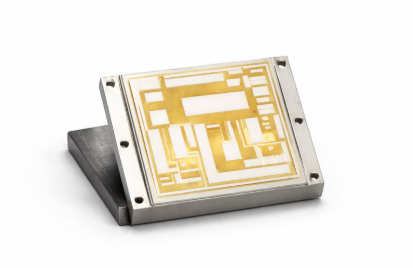
The most common metalization techniques for ceramic substrates include sputtering, electroplating, and screen printing. These processes apply a thin layer of metal onto the ceramic, enhancing its properties without compromising the base material's performance.
Technique | Description | Best For |
Sputtering | A process that uses ions to deposit thin metal layers | Precision applications, high-performance devices |
Electroplating | Uses electrical current to bond metal to ceramic | Cost-effective, large-scale production |
Screen Printing | Applies metal paste through a stencil to form patterns | Budget-friendly, high-volume production |
Metalizing ceramic substrates comes with its set of challenges, particularly adhesion. Achieving a durable bond between the metal layer and the ceramic substrate requires precision and control. Inconsistent metalization can lead to performance issues, such as poor heat dissipation or electrical shorts.
Recent advances in material science and manufacturing technologies have improved the efficiency and consistency of metalized ceramic production. Techniques such as laser metalization and nano-coating are on the rise, offering more precision, better adhesion, and greater scalability for large-scale production.
Tip: Look for manufacturers that employ advanced metalization technologies to ensure consistent quality and performance of the metalized ceramic substrates.
Factors to Consider: Thermal, Electrical, and Mechanical Properties
Selecting the appropriate metalized ceramic substrate depends on various factors, including thermal conductivity, electrical insulation, and mechanical strength. For example:
● Thermal conductivity: For high-power applications, materials like aluminum nitride are preferred.
● Electrical insulation: Materials like alumina are ideal for applications requiring high electrical insulation.
● Mechanical strength: Choose substrates that can withstand mechanical stress, like beryllium oxide.
Cost Considerations
While alumina is the most cost-effective option, it may not offer the same thermal performance as aluminum nitride. Balance your performance needs with your budget to make the best choice for your application.
Reliability and Performance Testing
Reliability testing is crucial when selecting metalized ceramic substrates. Conducting thermal cycling tests, vibration tests, and electrical performance tests will help ensure that the substrate can withstand real-world conditions.
Comment: Carefully consider the specific needs of your application when choosing a metalized ceramic substrate. Balance cost, performance, and durability to optimize your design.
The future of metalized ceramic substrates lies in innovative materials and sustainable practices. As industries move toward more compact, efficient, and eco-friendly electronic designs, advances in nano-materials, biodegradable coatings, and recyclable ceramics will play a significant role.
Sustainability is becoming an increasingly important factor in electronics packaging. Manufacturers are exploring eco-friendly metalization techniques and green ceramics to reduce the environmental impact of electronics manufacturing.
As electronic devices become more complex and require higher performance, the demand for metalized ceramic substrates will continue to rise. The adoption of metalized ceramics in 5G technology, electric vehicles, and renewable energy systems is expected to drive significant industry growth.
In conclusion, metalized ceramic substrates are essential components in modern electronics packaging due to their unique combination of thermal, electrical, and mechanical properties. Their ability to efficiently manage heat, provide electrical insulation, and offer superior durability makes them ideal for high-performance applications in power electronics, LED packaging, high-frequency circuits, and automotive electronics.As industries continue to evolve and demand more reliable, efficient, and compact electronic devices, the role of metalized ceramic substrates will only become more significant. Whether it's for enhancing the performance of power modules or ensuring the longevity of high-frequency devices, metalized ceramics are poised to remain a crucial material in electronics packaging for years to come.
For manufacturers and engineers, choosing the right metalized ceramic substrate is vital for ensuring optimal performance, cost-efficiency, and long-term reliability in electronic systems. Companies like HIGHBORN are at the forefront of providing advanced solutions in metalized ceramic substrates, offering cutting-edge materials and technologies for the most demanding applications. As technology advances, staying informed about new innovations and materials in metalized ceramics will ensure your designs meet the growing demands of the industry.
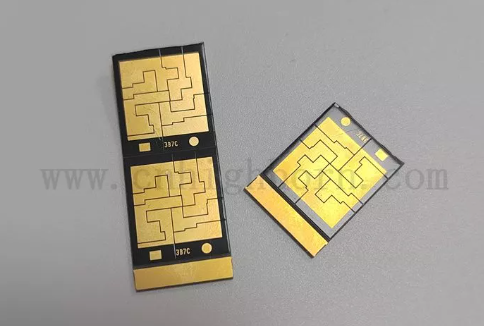
A: Metalized ceramic substrates are materials used in electronics packaging that combine ceramic's insulation properties with a metal coating to enhance thermal conductivity, electrical conductivity, and mechanical strength.
A: Metalized ceramic substrates are ideal for high-performance electronics as they offer superior thermal management, electrical insulation, and durability, making them essential for power electronics, LED packaging, and high-frequency circuits.
A: Metalized ceramic substrates offer enhanced thermal management, superior mechanical strength, resistance to wear and corrosion, and balanced electrical conductivity, all of which contribute to more reliable and efficient electronics.
A: Metalization adds a conductive metal layer to ceramic substrates, improving their thermal and electrical properties, making them more suitable for demanding electronic applications where both heat dissipation and insulation are critical.