
Views: 0 Author: Site Editor Publish Time: 2026-01-07 Origin: Site


What’s the best material for your industrial applications—Industrial ceramics or traditional metals? Both materials offer distinct benefits, but choosing the right one can make all the difference. In this article, we’ll dive into a detailed comparison of industrial ceramics and metals, exploring their unique properties, advantages, disadvantages, and cost-effectiveness. By the end, you’ll have a clear understanding of which material is best suited for your needs.
Industrial ceramics are materials made from inorganic, non-metallic substances. These materials, which include compounds like oxides, carbides, and nitrides, are typically created by heating raw materials at high temperatures to form solid, durable products. Industrial ceramics are known for their exceptional hardness, wear resistance, high-temperature stability, and corrosion resistance.
Some common examples of industrial ceramics include:
● Alumina (Al2O3): Used in wear-resistant applications, like mechanical seals and cutting tools.
● Silicon carbide (SiC): Often used in high-performance applications, such as abrasives, armor, and electrical components.
● Zirconia (ZrO2): Known for its high toughness and is used in applications like medical implants and thermal barriers.
These materials are used extensively in industries like aerospace, automotive, electronics, and medical devices where reliability and performance are critical.
Traditional metals, such as steel, aluminum, and titanium, are natural materials used for various industrial applications. Metals are typically characterized by their ductility, malleability, and conductivity. These metals have been in use for centuries and are favored for their strength, flexibility, and ease of fabrication. They are typically easy to work with, can be welded and cast, and offer a wide range of mechanical properties.
Some common examples of metals used in industrial applications include:
● Steel: Known for its strength and versatility, used in structural engineering and automotive industries.
● Aluminum: Lightweight, corrosion-resistant, and used in aerospace and packaging.
● Titanium: Highly resistant to corrosion and used in aerospace and medical devices.
When comparing strength and durability, industrial ceramics generally excel in wear resistance. Their hardness makes them ideal for high-wear environments, such as cutting tools, abrasives, and high-performance machinery. However, ceramics are more brittle than metals, making them more prone to fracture or cracking under shock or impact. This makes them unsuitable for applications where shock resistance or flexibility is required.
On the other hand, traditional metals like steel are typically more tough and can absorb stress without cracking, making them a better choice for structural applications and automotive frames. Metals also perform better in environments that involve mechanical stresses, where flexibility and toughness are crucial.
Material | Strength | Durability | Brittleness |
Industrial Ceramics | High (Hardness) | Excellent for wear resistance | Brittle (prone to cracking) |
Traditional Metals | Moderate to High (Strength, Toughness) | Good for structural integrity | Flexible, less brittle |
Industrial ceramics are superior when it comes to thermal resistance. Materials like silicon carbide and alumina can withstand extreme temperatures up to 1600°C, making them ideal for use in furnaces, kilns, and gas turbines. Furthermore, industrial ceramics are highly resistant to corrosion, which makes them suitable for industries dealing with chemicals and high-temperature environments.
Metals, such as steel and aluminum, can withstand heat but typically not as well as ceramics. While stainless steel and titanium offer decent corrosion resistance, they cannot match the high-temperature performance of industrial ceramics. Metals like aluminum can weaken at elevated temperatures, making them unsuitable for high-heat applications.
Material | Thermal Resistance | Corrosion Resistance |
Industrial Ceramics | Very High (can withstand temperatures up to 1600°C) | Excellent, resistant to many chemicals |
Traditional Metals | Moderate to High (depends on the metal) | Moderate to High (Stainless steel, Titanium) |
Industrial ceramics are significantly lighter than metals, which can be advantageous in industries such as aerospace and automotive manufacturing, where reducing weight is essential for efficiency and energy conservation. For example, alumina ceramics are much lighter than equivalent metal components, contributing to better fuel economy and performance.
In contrast, traditional metals like steel are dense and heavier, which can contribute to strength but increase energy consumption, especially in applications like transportation. The higher density also leads to higher transportation costs when shipping large metal components.
Industrial ceramics are indispensable in high-temperature environments where metals would fail due to thermal degradation. Silicon carbide and alumina are used in furnaces, kilns, and jet engines due to their ability to withstand extreme heat. These materials ensure that equipment operates efficiently and can endure prolonged exposure to elevated temperatures.
Ceramics' thermal stability makes them ideal for applications in power generation, aerospace, and chemical processing plants. For example, ceramic coatings are applied to engine parts in the aerospace industry to enhance heat resistance.
In the electronics industry, industrial ceramics are essential for insulating materials, capacitors, and circuit boards. They are used to prevent electrical currents from flowing in undesired paths and ensure the stability of electronic components. Ceramic materials like alumina are widely used in semiconductor devices due to their ability to act as electrical insulators while withstanding high temperatures.
Medical ceramics are used in implants and dental devices due to their biocompatibility, wear resistance, and ability to perform under the stress of the human body. Similarly, aerospace ceramics are used in the construction of turbine blades and thermal barriers, as they are capable of withstanding the extreme temperatures and pressures found in jet engines.
Metals are indispensable in structural engineering, where materials need to support heavy loads. Steel is widely used for construction beams, bridges, and high-rise buildings due to its high tensile strength and ductility, which allow it to absorb stress and deformation. Aluminum is often used in aerospace for aircraft bodies and components, where strength and weight reduction are equally important.
Metals are used extensively in the automotive industry for components like engines, transmissions, and car bodies. Metals like steel provide the strength required for crash safety, while aluminum is used to reduce the weight of vehicles for improved fuel efficiency. Similarly, metalworking processes such as welding, casting, and machining are essential in the manufacturing industry for producing components and machinery.
Metals like copper, aluminum, and gold are crucial in the electrical and electronics industries due to their excellent conductivity. Copper is widely used in wiring and circuit boards, while gold is used for connectors and high-performance components. Metals are the foundation of electrical systems, ensuring efficient energy transmission and device functionality.
● Durability: Ceramics are highly durable and resistant to wear and abrasion.
● High-Temperature and Chemical Resistance: Suitable for use in extreme environments.
● Lightweight: Industrial ceramics are lighter than metals, offering efficiency in weight-sensitive applications.
● Brittleness: Industrial ceramics are prone to breaking or cracking under shock or impact.
● Complex Shaping: Ceramics are difficult to shape and mold into complex geometries compared to metals.
● Higher Cost: The manufacturing process for industrial ceramics is often more costly.
● Strength and Toughness: Metals can handle stress, pressure, and impact better than ceramics.
● Malleability: Metals can be easily shaped, welded, and fabricated.
● Electrical Conductivity: Metals are crucial in the electrical and electronic industries.
● Corrosion: Metals are susceptible to rust and degradation over time.
● Heavy Weight: Metals can be heavy, leading to higher costs for transportation and energy consumption.
● Energy Intensive: The production of metals can be energy-intensive.
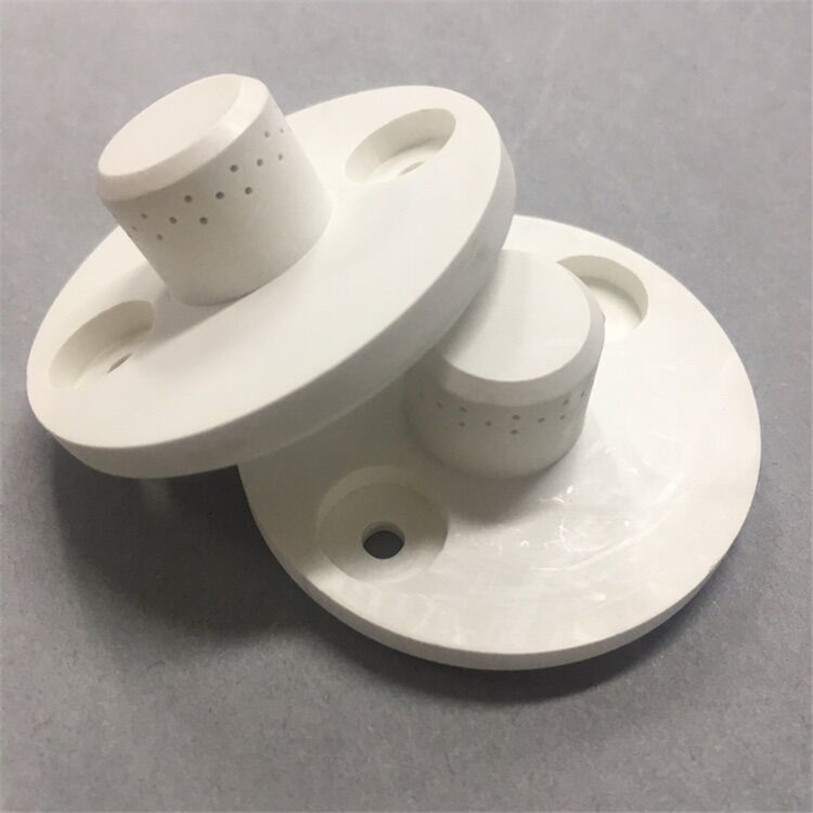
The production of industrial ceramics is generally more expensive due to the high-quality raw materials and advanced processes required to manufacture them. The precise control over pore structure, density, and other material properties adds to the complexity of ceramic manufacturing.
Metals are typically more affordable to produce, especially for commonly used metals like steel and aluminum. Metals also have established supply chains and manufacturing processes that help keep costs relatively low.
While industrial ceramics may have higher upfront costs, they offer long-term cost savings due to their durability and low maintenance. Metals, while cheaper initially, may incur higher maintenance and replacement costs over time, especially in harsh environments.
The development of advanced ceramics, including nano-ceramics and composite materials, is opening up new possibilities in various industries. These innovations promise enhanced properties such as increased fracture toughness and thermal stability.
The future of metals lies in the development of high-strength alloys and corrosion-resistant materials. Lightweight metals and composite metals are expected to gain traction in industries like aerospace and automotive, where reducing weight is key.
Hybrid materials that combine the best of both ceramics and metals are gaining popularity in industries like aerospace and automotive. These composite materials leverage the strength of metals and the thermal resistance of ceramics, offering enhanced performance and durability in extreme environments.
Choosing between industrial ceramics and traditional metals ultimately depends on the specific application. While ceramics excel in high-temperature environments, corrosion resistance, and lightweight applications, metals remain the go-to option for structural engineering, toughness, and electrical conductivity. By considering the performance requirements, cost implications, and potential applications of each material, industries can make informed decisions about which material best fits their needs. For businesses seeking high-quality industrial materials, HIGHBORN offers a range of both industrial ceramics and metals tailored to meet the demands of various industries.
A: Industrial ceramics are inorganic, non-metallic materials known for their hardness, heat resistance, and wear resistance. Unlike traditional metals, which are malleable and conductive, industrial ceramics are more brittle but excel in high-temperature and corrosive environments.
A: Industrial ceramics are ideal for high-temperature applications due to their ability to withstand extreme heat without deforming. They are often used in furnaces and gas turbines, unlike metals which can weaken under similar conditions.
A: Industrial ceramics are much lighter than traditional metals, making them a better option for applications where weight reduction is critical, such as in aerospace and automotive industries.
A: Yes, industrial ceramics are generally more expensive than metals due to their complex manufacturing processes. However, their durability and performance in harsh environments can lead to lower long-term costs.