
Views: 0 Author: Site Editor Publish Time: 2026-01-05 Origin: Site


Have you ever wondered how industries are achieving better filtration efficiency and durability? The answer lies in porous ceramics, which are revolutionizing filtration systems across the board. With their unique properties, these materials are outperforming traditional options in applications like water treatment, air purification, and food processing. In this article, we’ll explore how porous ceramics are shaping the future of filtration and why they’re becoming a crucial part of these industries.
Porous ceramics are materials characterized by a network of voids or pores within a solid structure. Unlike solid ceramics, which are impervious to liquids and gases, the porosity of these materials allows them to filter contaminants efficiently. These materials are often fabricated by sintering powders at high temperatures, allowing for the creation of controlled pore structures that can range in size and distribution.
The primary characteristics of porous ceramics include:
● Porosity: The presence of voids or pores that allow fluids to pass through while trapping contaminants.
● Permeability: The ability of the material to allow liquids or gases to flow through it at a given pressure.
● Chemical and Thermal Stability: The resistance of ceramics to chemical degradation and high temperatures, making them suitable for harsh operating environments.
These properties make porous ceramics ideal for filtration applications, where the ability to filter out particles, gases, or liquids efficiently is crucial.
Porous ceramics come in several types, each designed for specific filtration needs. The most commonly used include:
Material | Properties | Applications |
Alumina (Al2O3) | Excellent wear resistance, high temperature stability | Water filtration, wastewater treatment |
Zirconia (ZrO2) | Superior chemical resistance, high mechanical strength | Chemical filtration, harsh environments |
Silicon Carbide (SiC) | High thermal conductivity, mechanical strength | High-temperature filtration, industrial applications |
Each material's unique characteristics—such as pore size, thermal stability, and chemical resistance—make them suitable for different filtration processes.
● Alumina is most commonly used in liquid filtration, such as in water treatment and wastewater treatment, where its durability and resistance to wear and tear make it a preferred choice.
● Zirconia is ideal for chemical filtration, especially in harsh chemical environments where resistance to aggressive acids or bases is necessary.
● Silicon carbide is used extensively in high-temperature filtration systems, such as in industrial applications where mechanical strength and thermal conductivity are crucial.
The filtration efficiency of a ceramic filter is directly related to its porosity. The relationship between pore size and flow rate is vital in understanding how porous ceramics can be optimized for various applications.
● Smaller Pores: Filters with smaller pores are better suited for removing fine particles and microorganisms. For example, microfiltration or ultrafiltration uses ceramics with very fine pores (typically between 0.1 to 0.5 microns) to filter out bacteria and suspended solids.
● Larger Pores: Filters with larger pores are more effective for applications where higher flow rates are required, such as removing larger particulates in industrial air filtration.
Pore Size (microns) | Filtration Type | Typical Applications |
0.1 to 1 | Microfiltration | Water and wastewater treatment, beverages |
0.01 to 0.1 | Ultrafiltration | Drinking water, pharmaceutical products |
>1 | Coarse filtration (e.g., air) | Industrial air filtration, food processing |
The distribution of pores is just as important as their size. A uniform pore structure ensures that the filtration material can process fluids more effectively by preventing clogs and ensuring consistent flow throughout the material.
One of the primary applications of porous ceramics is in water and wastewater treatment. These ceramics are used to remove contaminants such as bacteria, particulates, and organic matter from water. Microfiltration and ultrafiltration are common methods where porous ceramics play a key role. These filtration techniques rely on the ceramic filters to remove particles as small as 0.1 microns, effectively providing purified water.
In municipal and industrial water treatment plants, porous ceramic filters are used for:
● Clarifying water: Removing suspended solids and organic impurities.
● Disinfecting water: Trapping harmful microorganisms and pathogens.
Compared to traditional filtration materials, porous ceramics provide higher efficiency and longer lifespan, reducing both operational and maintenance costs.
Porous ceramics are also used in air filtration and gas purification systems. They play a critical role in industrial air filtration, where they remove dust particles, fumes, and gases from exhaust streams. For example, in power plants or manufacturing facilities, air quality is crucial to prevent the release of harmful emissions into the atmosphere.
Ceramic filters are also used in gas purification systems to remove impurities from gases in chemical plants, refineries, or even natural gas filtration. Their chemical resistance allows them to function in aggressive environments where other materials would degrade over time.
The food and beverage industry heavily relies on porous ceramics for filtration, especially in applications that require high purity and quality. Examples include:
● Beer and wine production: Ceramics are used to remove yeast and other microorganisms, ensuring that the final product is free from contaminants.
● Juice and beverage production: Porous ceramics are used to filter out suspended solids and bacteria, providing cleaner and clearer beverages.
Ceramics’ non-reactive properties ensure that no chemical interactions occur with the products being filtered, maintaining their integrity and taste.
Porous ceramics function by allowing liquids or gases to pass through their network of pores, which trap contaminants. The general filtration process occurs in several steps:
1. Entry of fluid: The fluid, whether gas or liquid, is introduced into the filter.
2. Contaminant capture: Particles, microbes, and contaminants are trapped within the pores as the fluid passes through.
3. Purified fluid exit: The cleaned fluid flows out of the filter, ready for use or further processing.
This simple yet effective process is highly efficient, especially when combined with advanced manufacturing techniques that control pore size and distribution.
To maximize filtration performance, porous ceramic filters incorporate several key design features:
● Pore Size and Distribution: Uniformly distributed pores enable even flow and more effective filtration, minimizing blockages and ensuring consistent performance.
● High Surface Area: A larger surface area provides more contact points for contaminants to be captured, improving the filter’s capacity.
● Mechanical Strength: Ceramic filters must maintain their structure even under high pressure or temperature conditions. This strength ensures reliability in demanding filtration environments.
These design elements help optimize the filter’s performance, improving its efficiency and lifespan.
Porous ceramics offer superior durability compared to other filtration materials. They are resistant to high temperatures, corrosive chemicals, and mechanical wear, which allows them to last longer and require less frequent replacement. This makes them ideal for high-demand applications where reliability and long-term performance are crucial.
Another major advantage of porous ceramics is their energy efficiency. Their ability to filter efficiently at lower flow rates reduces energy consumption. Over time, this leads to significant cost savings for industries that rely on filtration, such as water treatment plants or industrial air filtration systems. Additionally, the durability of ceramic filters reduces the need for frequent replacements, leading to lower operational costs.
The environmental benefits of porous ceramics are also noteworthy. They contribute to sustainability by:
● Reducing waste: The long lifespan of ceramic filters minimizes the need for replacements, reducing waste.
● Recycling: Ceramic materials are often recyclable, making them an eco-friendly choice for filtration systems.
By choosing porous ceramics, businesses can reduce their environmental footprint while maintaining high filtration performance.
Advancements in porous ceramic filtration technology have led to the development of new materials and manufacturing techniques. Emerging trends like nanotechnology have enabled the creation of ceramics with even smaller and more uniform pores, enhancing their ability to filter fine particles. These innovations are making porous ceramics even more efficient and adaptable for a wider range of applications.
Hybrid filtration systems are becoming increasingly popular as they combine the benefits of porous ceramics with other filtration technologies like membrane filtration or activated carbon. This combination allows for more comprehensive filtration by addressing a wider range of contaminants, such as bacteria, chemicals, and particulates.
These systems are particularly effective in industries like water treatment, where multi-stage filtration processes are required to meet stringent standards.
One challenge with porous ceramics is pore blockage, which occurs when contaminants accumulate in the pores and reduce filtration efficiency. Regular cleaning is essential to maintain optimal performance. While ceramics are durable, failure to clean them properly can lead to reduced flow rates and higher maintenance costs.
While porous ceramics are versatile, they are not suitable for all applications. For example, when extremely high flow rates are needed, other materials such as membrane filters may be more effective. It’s essential to match the filtration material to the specific requirements of the application to avoid inefficiencies.
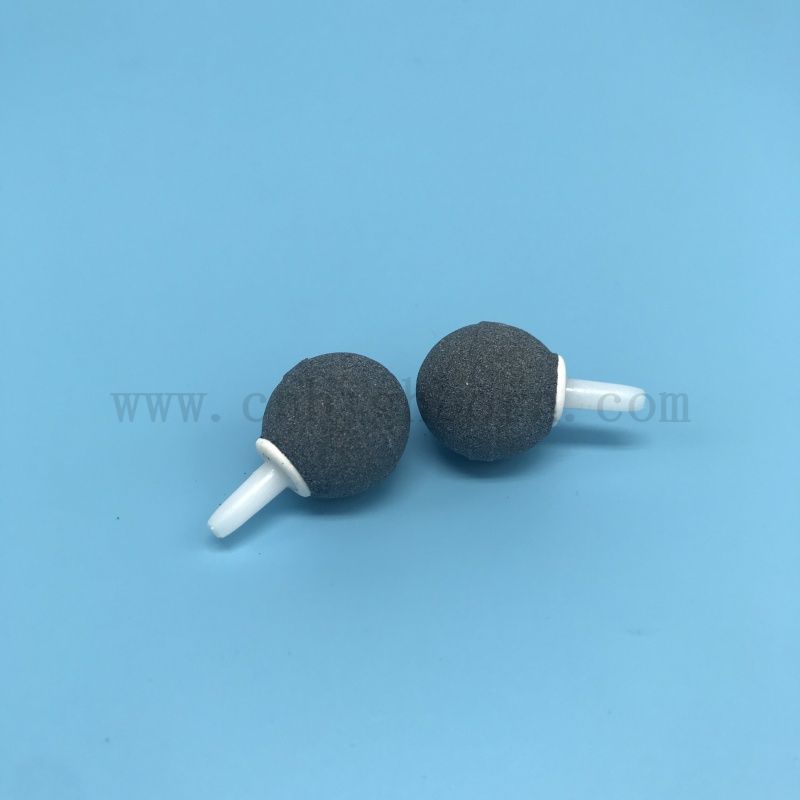
Porous ceramics are revolutionizing filtration systems across industries by offering a combination of durability, efficiency, and sustainability. From water treatment to air purification and food processing, these materials provide a reliable solution for filtering liquids and gases. As technology continues to evolve, the potential applications for porous ceramics will expand, offering even greater performance and environmental benefits. For businesses seeking an effective and sustainable filtration solution, HIGHBORN is leading the way in providing porous ceramics as an excellent choice for superior filtration performance.
A: Porous ceramics are materials with a network of pores that allow liquids or gases to pass through while trapping contaminants. They are widely used in filtration systems to remove particles, bacteria, and other impurities from water, air, and gases.
A: The filtration efficiency of porous ceramics is influenced by pore size, distribution, and surface area. Smaller pores capture finer particles, while larger pores allow higher flow rates, making them adaptable for various filtration needs in different industries.
A: Porous ceramics offer superior durability, high chemical and thermal stability, and longer lifespans compared to other materials. These characteristics make them ideal for harsh filtration environments, reducing maintenance costs and enhancing filtration efficiency.
A: Industries such as water and wastewater treatment, air purification, food and beverage processing, and chemical manufacturing benefit from using porous ceramics due to their effective contaminant removal and long-term reliability.