
Views: 0 Author: Site Editor Publish Time: 2026-01-21 Origin: Site


How can high-density aquaculture overcome the challenge of maintaining optimal water quality? In confined spaces, where fish and aquatic species are thriving, oxygen levels are crucial for their healthy growth. Microporous ceramic aeration and oxygenation plates offer a highly effective solution to this problem. In this article, we’ll explore how these advanced tools improve water quality, supporting more productive and sustainable aquaculture systems.
Microporous ceramic aeration plates are a type of device used in aquaculture systems to diffuse oxygen into the water. These plates are made from a ceramic material with very fine pores, which allows for an efficient transfer of oxygen into water while preventing clogging and buildup. The key advantage of using ceramic over traditional aeration systems is its durability and superior oxygen transfer rates.
Unlike other aerators, microporous ceramic plates have a high surface area within their pores, which maximizes the contact between air and water. This efficient diffusion of oxygen helps ensure that the aquatic life in the system thrives, even under high-density conditions.
The process is simple but effective. Air is pumped into the microporous ceramic plate, which, because of its fine pores, forces the air to disperse into tiny bubbles. These bubbles travel through the water, enriching it with oxygen. The fine nature of the bubbles means that they remain suspended in the water for longer, ensuring that the oxygen is absorbed more efficiently.
Benefit | Description |
Better Oxygen Transfer Efficiency | Microporous ceramic plates transfer oxygen more efficiently than traditional aerators. |
Durability | Ceramic material is resistant to corrosion and fouling, making these plates long-lasting. |
Energy Efficiency | These plates require less power, leading to reduced operational costs over time. |
Challenges in Oxygen Supply in Aquaculture
In high-density aquaculture systems, oxygen depletion is a common problem. When there are many fish or other aquatic species in a confined space, oxygen is consumed quickly, leading to stressful conditions for the fish. Low oxygen levels can hinder fish growth, affect their metabolism, and even lead to health issues or mortality.
As aquaculture farms expand and the number of stocked fish increases, the importance of maintaining proper oxygen levels becomes even more critical. Without an adequate supply of oxygen, farms risk losing valuable stock and experiencing lower productivity.
How Microporous Ceramic Plates Help Maintain Oxygen Levels
Microporous ceramic plates help solve this issue by ensuring that oxygen is distributed evenly and efficiently throughout the water. Their fine porosity allows them to produce a high volume of tiny air bubbles, which increases the surface area for oxygen absorption. This process ensures that the water remains oxygen-rich, even in densely stocked aquaculture environments.
Furthermore, as microporous ceramic plates require less energy to function than traditional aeration systems, they are more sustainable and cost-effective for aquaculture operations.
Improved Water Quality and Aquaculture Health :By increasing the amount of dissolved oxygen in the water, microporous ceramic plates directly contribute to improved water quality. This leads to better fish health, growth rates, and overall survival. Additionally, these plates help reduce the build-up of harmful substances like ammonia and CO2, which are common pollutants in aquaculture systems.
Energy Efficiency and Cost-effectiveness: Compared to traditional mechanical aerators, microporous ceramic plates are far more energy-efficient. They require less power to deliver the same or better oxygenation results. This translates into significant cost savings for aquaculture farms over time, especially in large-scale operations where energy costs can be a substantial part of overall expenses.
Durability and Longevity:Microporous ceramic plates are built to withstand the harsh conditions of aquaculture systems. Resistant to corrosion and fouling, they can operate effectively for long periods without needing frequent replacement or maintenance. This durability makes them a wise investment for both large and small aquaculture farms.
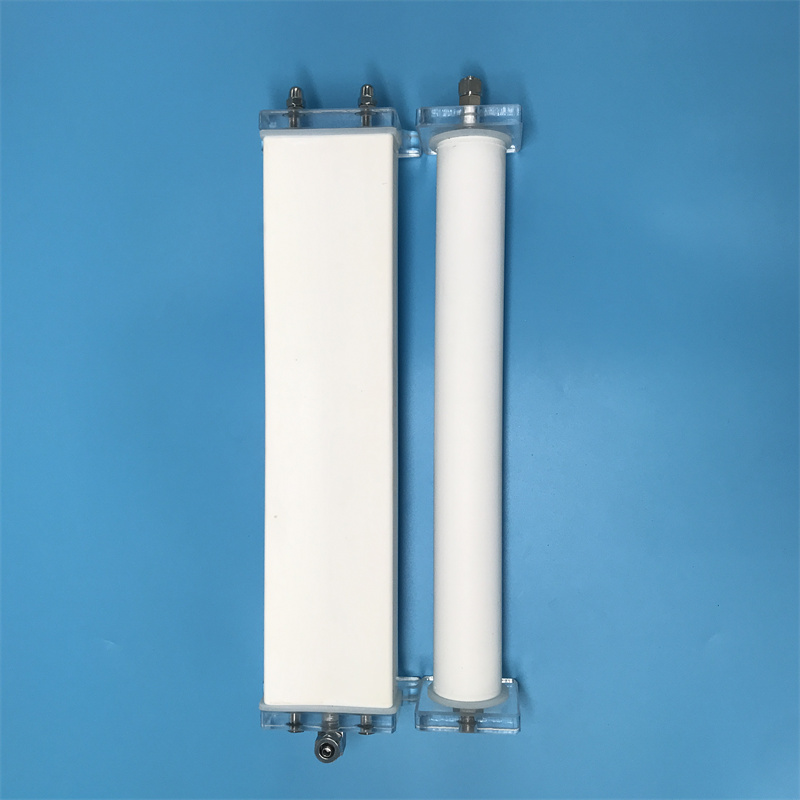
Fine vs. Coarse Porosity Plates
The type of microporous ceramic plate you choose largely depends on the specific needs of your aquaculture system. Fine porosity plates are ideal for creating a high volume of very small bubbles, which is best for maintaining oxygen levels in densely stocked aquaculture systems. On the other hand, coarse porosity plates are better suited for larger-scale operations where less intensive aeration is needed.
Plate Type | Ideal Use | Benefits |
Fine Porosity | High-density, intensive aquaculture systems | Creates many small bubbles, increasing oxygen diffusion. |
Coarse Porosity | Large-scale, less intensive setups | Ideal for systems that need less frequent oxygenation. |
Plate Designs and Sizes
Microporous ceramic plates come in various designs and sizes to suit different aquaculture systems. Custom-designed plates can be tailored to fit specific tank dimensions or aeration requirements. The flexibility in design makes them versatile, capable of supporting a wide range of aquaculture applications, from freshwater to saltwater systems.
Application in Various Aquaculture Systems
System Type | Applications of Microporous Ceramic Plates |
Freshwater | Ideal for tilapia, catfish, and other freshwater species. |
Saltwater | Effective for shrimp farming, marine fish, and shellfish. |
Installing microporous ceramic plates is straightforward. They are typically installed in submerged positions within the water tank or pond, ensuring that the oxygen diffusion is maximized. The plates can be mounted using simple supports or integrated into existing filtration and aeration systems, depending on the setup of the aquaculture facility.
Regular maintenance of microporous ceramic plates is essential to keep them functioning at peak efficiency. Since these plates are resistant to fouling, maintenance primarily involves periodic cleaning to prevent any buildup of organic matter that might clog the pores.
To maintain optimal performance, it’s important to follow the manufacturer’s cleaning recommendations, which usually include soaking the plates in a mild acid solution to dissolve any organic deposits.
In large-scale commercial fish farms, microporous ceramic plates have been successfully implemented to improve oxygenation. For example, one farm that focused on raising tilapia faced challenges with maintaining oxygen levels in high-density tanks. After installing microporous ceramic plates, they observed a significant reduction in fish mortality rates and an increase in overall growth rates due to more consistent oxygen supply.
Microporous ceramic plates are also at the forefront of aquaculture innovation. By allowing for more efficient use of energy and resources, they are driving sustainable aquaculture practices. These innovations not only help maintain fish health but also contribute to more eco-friendly farming operations, aligning with modern sustainability goals.
The adoption of microporous ceramic aeration plates in high-density aquaculture systems is transforming the industry. With their ability to provide efficient, cost-effective, and durable oxygenation, these plates are essential tools for aquaculture farms aiming to enhance fish health, improve water quality, and boost productivity. As the aquaculture industry continues to grow, the importance of sustainable practices, such as using microporous ceramic plates, will only increase. By adopting this technology, farms can ensure long-term success and contribute to the sustainability of the aquaculture industry. HIGHBORN is at the forefront of this innovation, providing top-quality microporous ceramic aeration plates that help aquaculture farms achieve their operational and environmental goals.
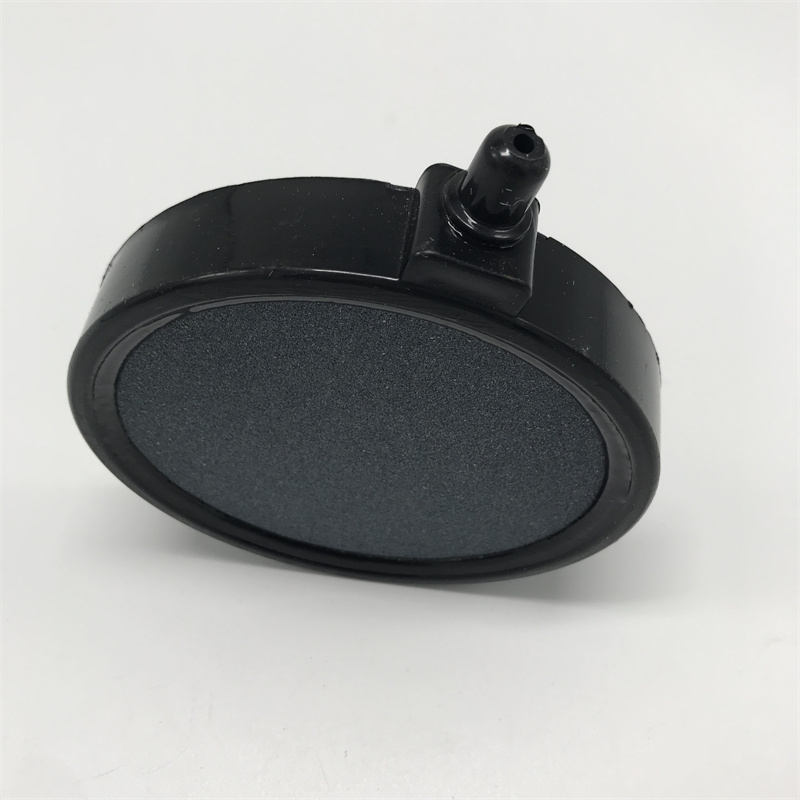
A: Microporous ceramic aeration plates and oxygenation plates are used to efficiently diffuse oxygen into the water in aquaculture systems. Their fine porosity ensures optimal oxygen transfer, which is crucial for maintaining water quality and supporting the health of fish and other aquatic species in high-density farming environments.
A: Microporous ceramic aeration plates work by creating tiny air bubbles when air is pumped through them. These fine bubbles increase the surface area for oxygen absorption, ensuring that oxygen is evenly distributed throughout the water, thus improving fish health and water quality in high-density aquaculture systems.
A: Microporous ceramic plates are preferred in high-density aquaculture because they offer efficient oxygen diffusion, require less energy, and have a long lifespan. Their ability to maintain optimal oxygen levels reduces fish stress and improves growth rates, making them a cost-effective solution for maintaining water quality.
A: The benefits of using microporous ceramic plates in oxygenation systems include improved oxygen transfer efficiency, reduced energy consumption, increased durability, and low maintenance. These plates are resistant to fouling, corrosion, and wear, making them ideal for the harsh conditions of aquaculture environments.