
Views: 0 Author: Site Editor Publish Time: 2026-05-22 Origin: Site


Operating sintering furnaces at 1800°C in pure hydrogen or nitrogen-hydrogen atmospheres creates a highly corrosive environment. These heavily reducing conditions routinely destroy standard refractory linings. Engineers rely on these extreme atmospheres to prevent oxidation and decarburization in high-value components. Advanced semiconductor ceramics and specialized metallurgy require these exact conditions. Unfortunately, the same gases aggressively attack traditional furnace infrastructure. This dynamic leads to catastrophic product contamination and severe thermal inefficiency over time.
Decision-makers evaluating furnace upgrades urgently need better structural solutions. You will soon see how engineered Alumina microporous foam ceramics offer the perfect compromise between extreme thermal stability, chemical inertness, and longevity. They easily outperform traditional fiber boards and hollow sphere bricks in these harsh sintering environments. Upgrading your furnace lining directly safeguards your sintered yields and drastically improves thermal efficiency.
Atmosphere Compatibility: High-purity alumina remains chemically stable at 1800°C under severe reducing conditions, preventing the structural degradation seen in silica-bearing refractories.
Zero-Contamination Design: The rigid, sintered structure eliminates the particle shedding (slagging) common in fiber linings, safeguarding high-purity sintered yields.
Superior Thermal Efficiency: Featuring a high volume of static air micro-pores, this lining can reduce energy consumption by over 50% compared to traditional hollow sphere bricks.
Operational Durability: With compressive strengths reaching ~6MPa and densities optimized for low thermal mass, these ceramics enable faster, more consistent heating cycles with minimal maintenance downtime.
Industrial sintering heavily relies on controlled gas environments. You need pure hydrogen or nitrogen-hydrogen blends for advanced applications. These specific gases act as powerful reducing agents. They strip away residual oxygen from ceramic or metal powder surfaces. They actively control grain boundary diffusion during the heating process. This chemical mechanism prevents oxidation and decarburization in high-value components. Advanced semiconductor parts simply cannot survive standard atmospheric sintering.
Extreme heat combined with reducing gases creates a chemical nightmare for standard refractories. Hydrogen aggressively attacks common refractory impurities at 1800°C. Legacy materials usually contain silica or iron oxides. Hydrogen chemically reduces these oxides very quickly. This high-temperature reaction causes massive volumetric expansion inside the furnace wall. It also triggers severe outgassing. The resulting structural collapse destroys the internal lining geometry.
You cannot ignore the direct business costs of using inadequate linings. Traditional ceramic fibers fail completely in these conditions. High-velocity gas flows hit the brittle fibers constantly. Severe thermal cycling weakens them even further. This destructive process causes continuous fiber shedding inside the heating chamber. Slag and microscopic dust fall onto your high-purity sintered components.
Surface contamination ruins entire production batches instantly.
Aerospace manufacturers reject expensive parts due to minor surface defects.
Shedding particles embed themselves into delicate microstructures.
You lose raw material, production time, and costly labor.
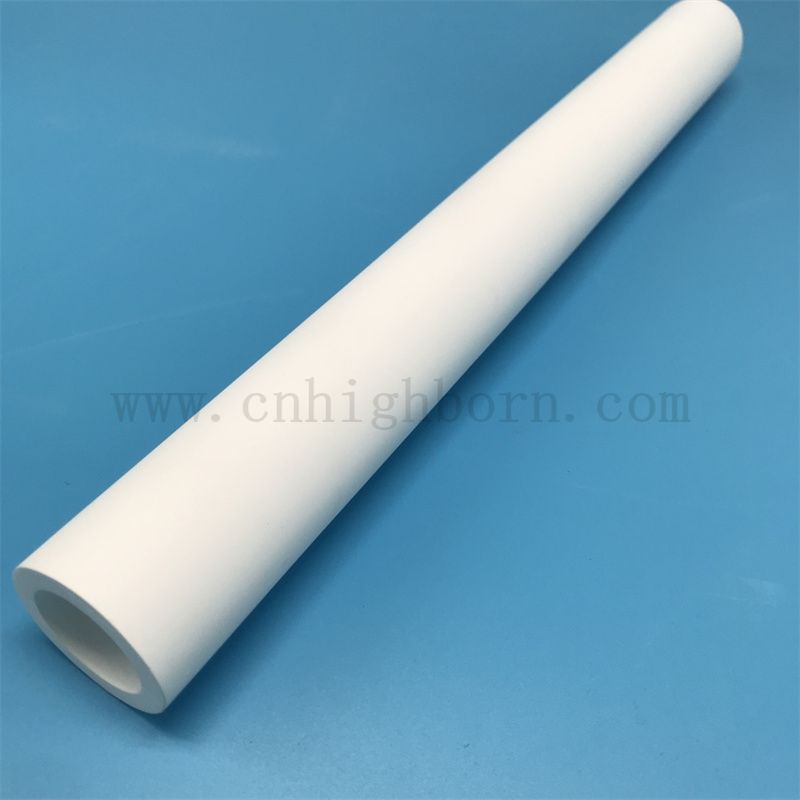
Legacy linings force a painful engineering compromise. You usually choose between lightweight insulation and heavy mechanical strength. Engineered foam ceramics eliminate this frustrating trade-off entirely. Their unique micro-nano pore structure achieves an ultra-lightweight profile. Densities typically range between 0.5 and 0.7 g/cm³. Yet they maintain exceptional mechanical integrity. They handle physical stress exceptionally well.
High-quality Microporous Foam Ceramics achieve impressive room-temperature compressive strengths. They routinely hit around 6MPa. This immense strength allows them to support heavy internal furnace geometries. Easily compressible fiber blankets cannot match this structural support. You can build complex, self-supporting roofs and walls. They will not sag or compress over hundreds of heating cycles.
Thermal mass directly impacts your daily energy consumption. We must compare their thermal insulation mechanics against traditional hollow sphere bricks. Foam ceramics trap massive volumes of static air inside their micropores. This trapped static air vastly reduces thermal conductivity. Engineers report validated energy savings reaching up to 50%. Lower thermal mass also enables incredibly rapid heating and cooling. Modern two-step sintering processes demand these extremely fast transitions. You get vastly better insulation and much faster cycle times simultaneously.
| Performance Metric | Microporous Foam Ceramics | Traditional Fiber Boards | Hollow Sphere Bricks |
|---|---|---|---|
| Density Profile | 0.5 - 0.7 g/cm³ | 0.2 - 0.4 g/cm³ | 1.1 - 1.5 g/cm³ |
| Compressive Strength | ~6 MPa | <0.5 MPa | ~5 MPa |
| Thermal Mass | Very Low | Extremely Low | High |
| Contamination Risk | Zero (No Shedding) | High (Fiber Shedding) | Low to Moderate |
Thermodynamic stability essentially defines lining survival at 1800°C. High-purity alumina behaves uniquely under very low oxygen partial pressures. Lesser refractories degrade quickly under these same conditions. Alumina actively resists chemical reduction by hydrogen. It strictly maintains its molecular bonds. It also resists nitridation in nitrogen-rich blends perfectly. You never have to worry about the matrix breaking down.
The defect chemistry of high-purity alumina remains highly robust. These specialized linings maintain strong grain boundary integrity. They easily survive prolonged exposure to highly reactive gas environments. We often see them outlast standard materials in high-flow plasma-like systems. This unyielding stability ensures long-term microstructural health. The micro-pores stay open, and the walls stay rigid.
Alkaline vapors pose another severe, often overlooked threat to furnaces. Sintering powders frequently volatilize harmful alkaline substances during intense heating. Sodium oxide vapors are notoriously destructive in industrial applications. They attack standard furnace walls relentlessly day after day. This chemical reaction forms low-melting glass phases on the lining surface. These glass phases melt, drip, and eventually destroy the entire refractory structure. High-purity alumina completely resists this aggressive alkaline attack. It definitively prevents the formation of these damaging glass phases.
Zero-shedding characteristics directly drive your overall product yield. Cleaner parts translate directly to fewer rejected batches. Strict industries demand absolutely pristine surfaces. Semiconductor manufacturing operations cannot tolerate microscopic dust. Aerospace engineering requires flawless structural integrity. You must supply perfect components every single time.
Alumina foam linings deliver this necessary baseline cleanliness. You achieve predictable product quality across every production batch. You stop wasting money on ruined materials. Your quality control team spends less time rejecting parts.
Furnace uptime ultimately determines your true production capacity. Traditional fiber boards require very frequent replacement cycles. They shrink dramatically at elevated temperatures over a few months. They also become severely embrittled and turn to dust. Rigid foam ceramics offer incredible long-term dimensional stability instead. They eliminate the constant need for emergency maintenance shutdowns. You keep the furnace running and generating revenue longer.
Process scalability becomes much easier to manage. Low thermal mass allows manufacturers to scale up production safely. You can shorten batch cycle times significantly. Faster ramp-up phases accelerate your daily throughput. Faster cool-down phases get finished parts out quicker. You achieve all this without ever risking thermal shock to the solid lining.
Transitioning to a new refractory lining requires highly careful planning. We must address practical installation realities upfront. Foam ceramics offer massive compressive strength. However, they remain rigid and quite brittle to bending forces. They require precise mechanical cutting using specialized diamond tools. Technicians must handle them carefully during the actual furnace installation. Pliable fibers are much easier to stuff into uneven gaps. Your installation team needs proper training.
You must demand extremely strict purity specifications from suppliers. Buyers should always beware of suspiciously cheap, low-grade foam ceramics. Alumina purity must strictly exceed 99% for 1800°C hydrogen applications. Ideally, you want purity levels hitting 99.5% or higher. Lower purities introduce highly dangerous silica fluxes. These hidden impurities will fail rapidly in reducing atmospheres.
Furnace design compatibility needs thorough, professional assessment before purchase. You cannot just swap boards blindly.
Assess your existing furnace anchor points carefully.
Calculate the required expansion joint allowances accurately.
Analyze the internal gas flow dynamics completely.
Integrate the rigid foam boards properly into your legacy equipment.
You must take actionable next steps today. Recommend requesting detailed material data sheets immediately. Ask manufacturers for specific high-temperature hydrogen testing results. Request sample ceramic boards for your lab. Perform in-situ thermal cycling tests inside your own equipment to verify performance.
Transitioning to engineered alumina microporous foam linings is highly strategic. It is never just a basic infrastructure maintenance task. This vital upgrade directly impacts your thermal efficiency and cycle times. It guarantees the absolute product purity your customers demand.
Operations running 1800°C sintering face intense challenges. Volatile hydrogen and nitrogen atmospheres destroy standard linings ruthlessly. The initial investment in premium microporous foam ceramics makes perfect sense. The immediate elimination of contamination-based rejects justifies the effort quickly. Drastic reductions in energy use add massive continuous value.
You need to act on this technical advantage. Consult with a specialized refractory engineer soon. Audit your current furnace lining heat-loss data carefully. Request a formal ROI calculation for a complete alumina foam upgrade.
A: Yes. Their high stability and lack of outgassing make them highly suitable for vacuum environments up to 1800°C, alongside inert and reducing atmospheres.
A: While fibers are virtually immune to thermal shock due to their flexibility, rigid foam ceramics require managed heating and cooling rates. However, their engineered microporosity gives them vastly superior thermal shock resistance compared to dense, solid alumina refractories.
A: At elevated temperatures, hydrogen acts as a powerful reducing agent, stripping oxygen from impurities found in standard refractories. This causes off-gassing, structural weakening, and eventual collapse of the lining.